Vietnam Night Train Safety Tips (2026): Sleeper Berths
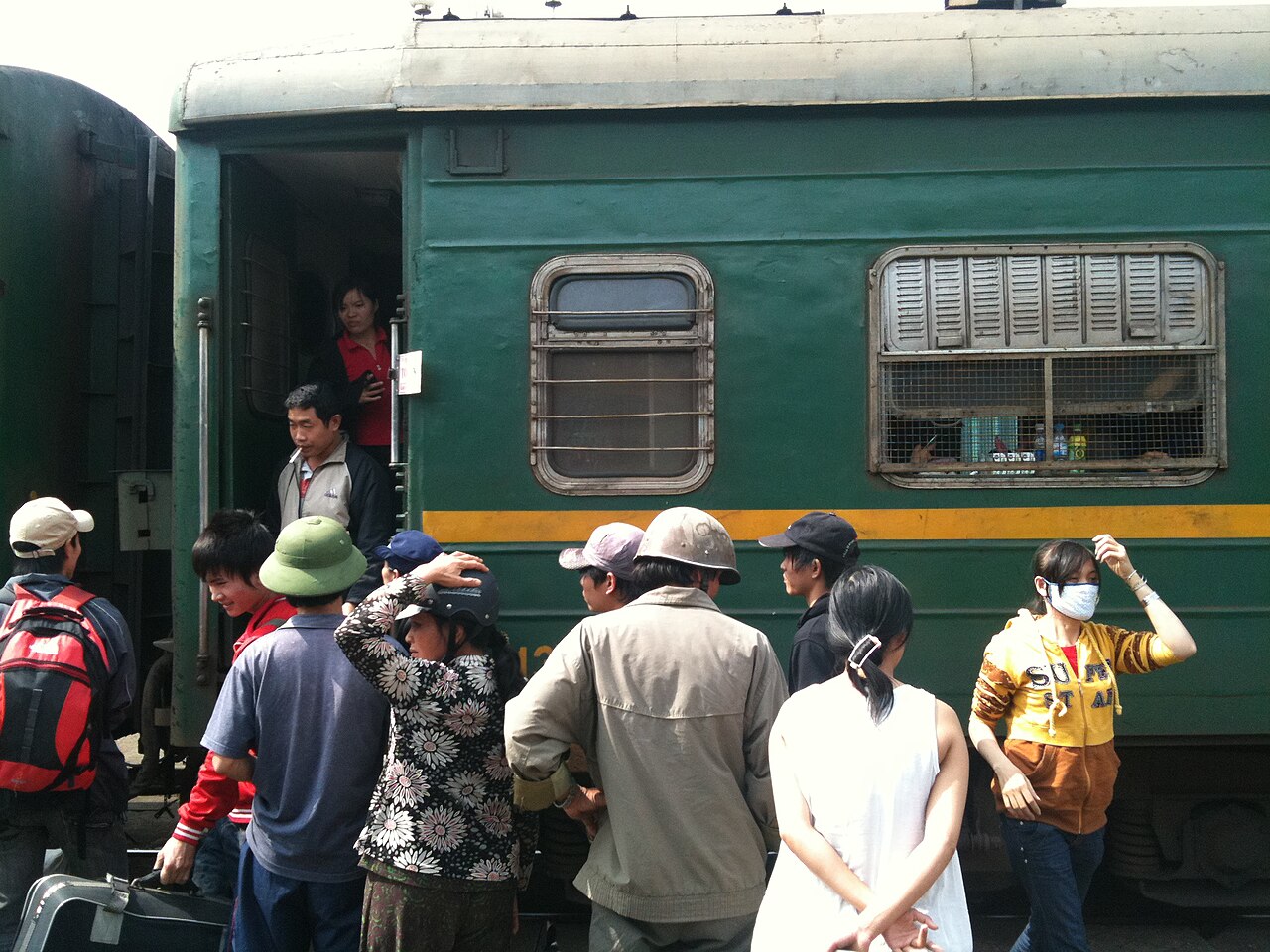
Reviewing our practical Vietnam night train safety tips ensures a restful, secure journey on the national rail network. Overnight sleeper trains on the Reunification Express (trains SE1 through SE8 between Hanoi, Hue, Da Nang, Nha Trang, and Saigon) and the northern mountain line to Lao Cai (Sapa) offer an iconic travel experience. While Vietnamese trains are generally safe, understanding cabin door security, luggage positioning, and hygiene protocols prevents common travel mishaps.
The Concierge Verdict
Book a 4-berth soft sleeper cabin (Khoang 4 nằm mềm) rather than a 6-berth hard sleeper or seated carriage. Upon entering your compartment, immediately engage both the sliding door latch and the top safety deadlock bolt near the ceiling corner for maximum security. Avoid placing daypacks with passports or phones on the shared table. Instead, keep valuable personal items inside your bunk against the wall behind your pillow, and stow heavy luggage in the recessed metal storage bay beneath the lower bunk.
Overnight Train Berth Safety & Class Comparison
| Carriage Class | Berth Configuration | Typical Fare (VND / USD) | Door Security & Access | Comfort & Privacy Level |
|---|---|---|---|---|
| 4-Berth Soft Sleeper | 2 lower & 2 upper bunks | 650,000 – 1,250,000 VND ($26 – $50 USD) | Lockable sliding door with ceiling latch | Padded foam mattress, reading lights, quiet space |
| 6-Berth Hard Sleeper | 3 tiers of bunks each side | 450,000 – 850,000 VND ($18 – $34 USD) | Sliding door; higher foot traffic | Thinner mattress, cramped upper headspace |
| Private Tourist Carriage | Luxury retrofitted 2 or 4 bunks | 1,400,000 – 2,800,000 VND ($56 – $112 USD) | Electronic keycard or locked compartment | Wood paneling, complimentary snacks, premium bedding |
| Air-Conditioned Soft Seat | 2×2 reclining airline seats | 300,000 – 600,000 VND ($12 – $24 USD) | Open open-plan carriage; no cabin doors | Limited security; upright posture disrupts sleep |
1. Cabin Door Locks & Deadbolt Security
All 4-berth and 6-berth compartments feature heavy sliding metal doors. Each door possesses two distinct locking mechanisms:
- Standard Handle Latch: Sliding the lever at waist level latches the door shut. However, staff members carry skeleton keys that can open this latch from the outside corridor.
- Ceiling Security Deadbolt: Located in the upper corner near the door frame. Flipping this manual metal latch prevents the door from sliding open from the outside, even if someone uses an external master key. Always verify that this top deadbolt is firmly engaged before going to sleep.
2. Luggage Protection & Anti-Theft Positioning
Petty theft on Vietnamese trains is rare but occasionally occurs during late-night station stops when outside passengers board in darkness. Adopt these packing habits to secure your gear:
Stow large backpacks and rolling suitcases underneath the bottom berth. The recessed bay keeps heavy luggage firmly wedged between the bed frame and the floorboards. If you sleep on an upper bunk, place your main bag in the elevated metal luggage cavity positioned above the doorway ceiling.
Never leave daypacks, wallets, smartphones, or laptops resting on the central fold-out window table. A passing thief reaching through an unlatched door can grab exposed electronics in seconds. Instead, sleep with your daypack placed directly beneath your head as a pillow bolster, or tuck it between your body and the carriage wall.
3. Lower Berth vs Upper Berth: Making the Right Pick
When booking railway tickets through the official Vietnam Railways portal (dsvn.vn), you select your specific berth number:
- Lower Berth (Tầng 1): Offers generous headroom, easy access without climbing ladders, and an open view through the main window. However, passengers from upper bunks occasionally sit on the edge of your bed during daytime hours.
- Upper Berth (Tầng 2): Requires climbing a narrow vertical steel ladder. Headroom is slightly lower. The decisive advantage is total privacy: no one sits on your bed, your mattress stays spotless, and your sleeping space sits well out of reach of corridor traffic.
4. Food, Drinking Water & Restroom Hygiene
Each passenger carriage features a boiling water dispenser at the end near the conductor’s booth. Bring your own cup noodles (mì gói), tea bags, and instant coffee. Onboard food carts roll through carriages selling hot boxed rice meals (cơm hộp) with braised pork or fried fish for 35,000 to 50,000 VND ($1.40 – $2 USD).
Restrooms are situated at both ends of each carriage. Bring your own travel tissues and wet wipes, as toilet paper runs out during long 12-hour journeys. Pack lightweight rubber slip-on sandals or flip-flops; train restroom floors often get wet from splashing washbasins and moving water pipes.
5. Intermediate Station Stops & Station Announcements
Long-distance express trains halt briefly at provincial stations such as Thanh Hoa, Vinh, Dong Hoi, and Dieu Tri in the early morning hours. Conductors rarely make loud public address announcements during nighttime halts to avoid waking resting passengers.
Set a vibration alarm on your smartphone for 30 minutes before your scheduled arrival time. Train attendants walk down the corridor knocking on cabin doors roughly 20 minutes before major terminus stations to collect rented blankets and notify arriving travelers.
Frequently Asked Questions
Are Vietnamese night trains safe for solo female travelers?
Yes. Vietnam is among the safest travel destinations in Asia. Solo women travel on overnight trains regularly. To maximize comfort, book an upper berth in a 4-berth soft sleeper cabin, engage the top door deadbolt at night, and keep your phone charged.
Are there electrical power outlets in sleeper compartments?
Yes. Modern SE-class carriages feature standard 220V Type A and Type C electrical wall sockets located either under the central table or next to each individual berth reading light. Carry a portable power bank as backup.
Does Vietnam Railways provide clean bedding and blankets?
Yes. In 4-berth soft sleeper compartments, clean white sheets, a pillow with a fresh pillowcase, and a sanitized duvet blanket are provided on each mattress before departure from origin stations.
Continue planning:
- Train Travel Overview: Reunification Express routes, booking portals, and ticket classes.
- Train vs Flight: Deciding between long-distance sleeper trains and domestic flights.
- Hue to Dong Hoi Transport: Coastal railway schedules across the former DMZ.
- Domestic Flights Guide: Domestic flights vs coastal railways and night sleepers.
- Sleeper Bus Survival Guide: VIP limousine cabins, bunk selection, and highway rest stops.
- Plug Adapter Guide: Voltage rules, dual-voltage charging, and socket adapters.
- Da Nang to Phong Nha Transport: Coastal rail schedules, sleeper berths, and cave transfers.
- Safety and Scams in Vietnam: Common street scams, taxi meters, and emergency assistance.
Connected Destinations along the Classic Vietnam Grand Route
Continue your Vietnam route seamlessly with verified transit times and natural regional connections.
Hanoi & Northern Karsts
Begin in Hanoi with Old Quarter food alleys before cruising Ha Long Bay and cycling Ninh Binh.
Central Heritage Corridor
Immerse in lantern-lit Hoi An, imperial palaces in Hue, and sandy beaches in Da Nang.
Southern Riverine Route
Experience Saigon's energy, historic Cu Chi tunnels, and sampan waterways in the Mekong Delta.