Reviewed weather guide – Updated September 15, 2026
Best Time to Visit Vietnam
The best time to visit Vietnam is not one national month. It is the month that fits your route: northern landscapes, central-coast weather, southern dry-season logic, flight shape, and how much flexibility you can keep.
Field note: plan the month around the route, not the route around one national weather claim.
Vietnam has three distinct climate zones with opposite monsoons. Select your travel month to see real-world conditions across North, Central, and South Vietnam, route recommendations, and a smart packing checklist.
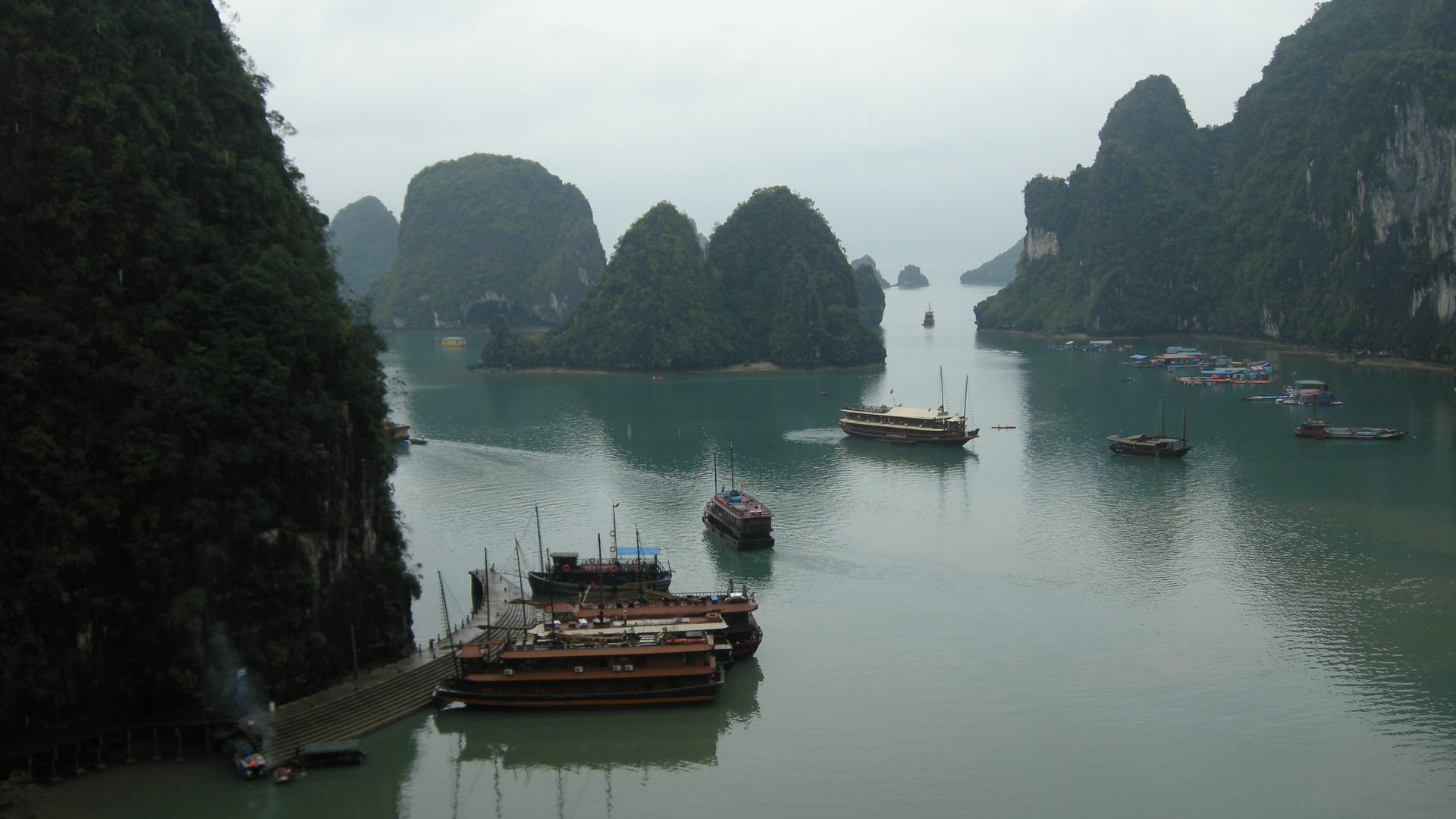
Hanoi, Ha Long Bay, Sa Pa, Ninh Binh, Ha Giang
Hue, Da Nang, Hoi An, Phong Nha, Quy Nhon
Ho Chi Minh City, Mekong Delta, Phu Quoc, Con Dao
Khmer Moon-Worship Festival in the Mekong Delta with thrilling traditional ghe ngo boat races. Buckwheat flower peaks in Ha Giang.
Tailored for your selected month. Check items as you pack (saved to your browser).
Already know where you want to travel? See the optimal months of the year for each core Vietnam journey archetype.
| Journey Archetype | Jan | Feb | Mar | Apr | May | Jun | Jul | Aug | Sep | Oct | Nov | Dec |
|---|---|---|---|---|---|---|---|---|---|---|---|---|
| 10-Day Classic Vietnam Hanoi, Halong, Hoi An, HCMC | Good | Prime | Prime | Prime | Good | Mod | Mod | Good | Good | Flood | Prime | Good |
| Northern Peaks & Karsts Sa Pa, Ha Giang, Halong, Ninh Binh | Cold | Good | Prime | Prime | Good | Rain | Rain | Good | Prime | Prime | Prime | Cold |
| Central Coast & Heritage Hue, Da Nang, Hoi An, Quy Nhon | Mod | Prime | Prime | Prime | Prime | Prime | Prime | Good | Rain | Flood | Flood | Mod |
| Southern Sun & Islands HCMC, Mekong, Phu Quoc, Con Dao | Prime | Prime | Prime | Good | Good | Rain | Rain | Rain | Good | Good | Prime | Prime |
Concierge verdict
For most first-time visitors, March-April and October-November are the easiest planning windows. Choose December-April for a southern or island-led trip (consult our month guides for Vietnam in December and Vietnam in February), be more careful with central-coast beach plans in late-year weather, and follow a flexible rainy season route when navigating regional monsoons without forcing a full-country checklist.
- Best for: international travelers choosing dates before locking a route, cruise, beach stay, mountain stop, or domestic flight.
- Avoid if: you want a live forecast, a storm warning, or guaranteed beach weather. Use official and local sources close to travel for that.
- Verify before booking: regional weather, public holidays, cruise/island cancellation terms, rail or flight timing, hotel refund rules, and whether the chosen route still works if one outdoor day weakens.
At a glance
The quick answer by route
☀️ 2026 Authoritative Cross-Country Climate Benchmarks:
- Optimal Single Window (Whole Country): February through April; minimal rainfall across all three regions; pleasant temperatures (22–28°C).
- Northern Rice Harvests: Sapa and Mu Cang Chai golden terraces peak from mid-September to early October (average altitude 1,200–1,500m; temperatures 18–24°C).
- Southern Dry Beach Season: Phu Quoc, Con Dao, and Vung Tau experience calm glassy seas and 30°C sunny days from December through April.
- Central Coastal Sunshine: Da Nang, Hoi An, and Quy Nhon enjoy optimal beach conditions from March through August (humidity ~75%, daily highs 32–35°C).
| Decision Dimension | Authoritative Guidance & Verdict |
|---|---|
| Best all-round windows | March-April and October-November are usually the easiest starting points for many first trips, especially when the route mixes north and central Vietnam. |
| Best for southern Vietnam | December-April is the cleaner planning bias for Ho Chi Minh City, the Mekong, and island or winter-sun logic. |
| Best for central coast and Hoi An | March-August can be a stronger central-coast planning window, but heat, domestic demand, and exact weather still matter. |
| Most common mistake | Choosing a national best month, then forcing north, central, south, beaches, mountains, and a cruise into the same short trip. |
| What to check live | Forecasts, weather warnings, cruise or ferry policies, holiday demand, and cancellation rules for the exact route and dates. |
Vietnam season planning is regional, not national
A useful best-time guide should help you decide which part of Vietnam deserves the trip, not pretend the whole country behaves the same. These photos are not decoration; each one represents a different weather and route decision.


Best months by route style
Use these as planning windows, not promises. The best month becomes weaker if the route adds too many regions, uses fragile transfers, or depends on a single weather-sensitive experience.
| Route style | Stronger planning window | Why it can work | Trade-off | VietnamGuide verdict |
|---|---|---|---|---|
| First 10-day north plus central route | March-April or October-November | These windows can make Hanoi, Ninh Binh, a bay night, Hue or Hoi An, and Da Nang easier to combine. | Higher demand and less room for casual last-minute booking. | Best default for many first-time visitors. |
| Classic full-country sampler | March-April | A wider route has a better chance when north, central, and south are all reasonably workable. | The route still needs open-jaw flights and enough days; weather cannot fix overpacking. | Use this mainly for 14+ days or very efficient flights. |
| Central coast, Hoi An, Hue, and Da Nang | March-August | Central destinations and beach-adjacent days are often easier to plan in this period. | Heat, domestic demand, and exact storm/rain patterns still need checks. | Best when central Vietnam is the trip’s emotional center. |
| Southern Vietnam, Mekong, and island/winter sun | December-April | Southern dry-season logic can simplify Ho Chi Minh City, river days, and island extensions. | Less ideal if your dream is northern mountains or a central-coast heritage/beach mix. | Strong when the south is the point, not an add-on. |
| Lower-cost or flexible shoulder trip | Edges around the preferred windows | Refundable hotels and flexible routing can trade perfect weather for better value. | More live checking and buffer time are required. | Good for experienced travelers who can change route order. |
Regional pivots by season
Use this table after choosing a route idea. It helps you decide whether to keep the original plan, bias the route north, bias it central, or shift south before hotels and domestic transport are locked.
| Planning window | Safer route bias | What to protect | What to avoid pretending |
|---|---|---|---|
| January-February | Southern or balanced route, with north/central checks and Tet flexibility. | Holiday booking, arrival recovery, and cancellation terms around major travel periods. | That every small operator, restaurant, or transfer behaves normally during holiday peaks. |
| March-April | Best all-round planning window for many first trips. | Open-jaw flights, bay cruise quality, central Vietnam pacing, and hotel availability. | That good weather allows unlimited regions in 10 days. |
| May-August | Central-coast focus or slower route with heat-aware pacing. | Midday rest, pool/air-conditioning value, family pace, and flexible outdoor timing. | That a full sightseeing stack will feel the same in hotter weeks. |
| September-November | North-led route, with central Vietnam checked carefully by exact dates. | Hoi An/Hue flexibility, bay weather policy, and non-refundable outdoor plans. | That late-year central-coast beach or heritage days are guaranteed. |
| December | Southern, balanced, or premium-flexible route depending on dates and demand. | Hotel locations, holiday pricing, final-night logistics, and arrival transfers. | That December is only a weather decision. |
Planning order
Choose dates in the order that reduces booking risk
This order keeps the guide useful beyond a single season. It separates evergreen climate logic from live details that must be checked close to travel.
- 01Route length
Decide whether you have 7, 10, 14, or more days. The shorter the trip, the less weather compromise it can absorb.
- 02Lead region
Choose north, central, south, or north-plus-central before searching for hotels.
- 03Season fit
Compare the month to the lead region, then test whether secondary regions still earn their place.
- 04Fragile pieces
Name anything weather-sensitive: bay cruise, cave, island, mountain, beach, or long scenic transfer.
- 05Live check
Use official forecasts, warnings, cancellation terms, and operator policies before paying non-refundable costs.
Route-first examples
Search intent for this page is usually practical: people want to know whether their dates can support the trip they are imagining. These examples are safer than month-only advice.
| Trip idea | Better date logic | What to cut if dates are weak | Next guide |
|---|---|---|---|
| 10 days, first trip | Use March-April or October-November as the first planning check for north plus central. | Ho Chi Minh City, Mekong, Sapa, Phu Quoc, or the weaker of Hue/Ninh Binh. | 10 Days in Vietnam |
| 14 days, wider country route | March-April can support a wider route more cleanly, but open-jaw flights and transfer buffers still decide quality. | The most weather-sensitive extension or one-night base. | 14 Days in Vietnam |
| Hoi An, Hue, Da Nang, beaches | Let central Vietnam timing lead the trip before adding northern or southern add-ons. | A distant mountain, island, or city detour. | Compare regions |
| Winter sun and southern route | Build around Ho Chi Minh City, Mekong, and island logic, then add north/central only when there is real time. | Northern mountains or a token central stop. | Price the route |
| Flexible value trip | Use shoulder dates, refundable hotels, and route order flexibility instead of chasing perfect weather. | Non-refundable weather-sensitive tours. | Vietnam Travel Guide |
Weather mistakes that damage good routes
The most expensive weather mistake is usually not choosing the wrong month. It is making the route too brittle for the month you chose.
| Mistake | Why it happens | Better move | What to verify |
|---|---|---|---|
| Using one national forecast | Vietnam looks narrow on a map, so travelers assume north, central, and south behave alike. | Check the lead region first, then test secondary regions separately. | Forecasts and warnings for each city or region on the route. |
| Treating a bay cruise as guaranteed | The bay is marketed as a fixed highlight, but weather and operator policies matter. | Keep cancellation terms and an alternate city/countryside day in mind. | Transfer inclusions, refund/change policy, port logistics, and weather policy. |
| Adding a central beach plan in the wrong window | Hoi An and Da Nang are famous, so they get added without a separate weather decision. | Plan central Vietnam as heritage/food first when beach reliability is uncertain. | Beach, storm, rain, and local operator conditions for exact dates. |
| Ignoring heat and recovery time | An itinerary looks realistic by distance but not by energy. | Slow down, choose better hotel locations, and reduce midday outdoor pressure. | Daily pace, room comfort, pool/AC value, and private transfer need. |
| Booking every weather-sensitive item early | Cheap rates and fear of missing out push travelers into brittle commitments. | Prebook critical scarce pieces, but keep ordinary city days and optional tours flexible. | Cancellation windows, refundable rates, holiday demand, and operator flexibility. |
Before-booking weather audit
Run this before paying for non-refundable hotels, domestic flights, cruises, island stays, cave trips, mountain transfers, or premium guides. The goal is not to remove all risk; it is to avoid paying for avoidable fragility.
- Check current official forecasts and warnings for every region on the route, not just the arrival city.
- Confirm whether the trip depends on one weather-sensitive highlight: bay cruise, beach stay, cave, mountain pass, island ferry, or river day.
- Keep hotels refundable where bad weather would change the route order.
- Check public holidays and domestic travel peaks before assuming good weather equals easy booking.
- Separate evergreen climate guidance from live availability, fares, operators, and warnings.
- Keep one practical fallback day in the region where the most valuable outdoor plan sits.
Short answers for common timing decisions
These answers are intentionally route-led. They help you decide what to keep, not just which month to Google next.
What is the best month to visit Vietnam?
There is no single best month for all of Vietnam. March-April and October-November are strong starting points for many first trips, while December-April can be better for southern Vietnam and island logic. The route matters more than the national label.
Is October or November good for Vietnam?
It can be very good for a north-led route, but central Vietnam needs a separate check by exact dates. Do not build a beach-first Hoi An plan only because northern Vietnam looks attractive.
Is summer a bad time to visit Vietnam?
Not automatically. Summer can work when you plan for heat, slower pace, central-coast logic, better hotel comfort, and flexible outdoor timing. It is weaker when the itinerary is packed with long midday sightseeing and fragile transfers.
Should I change regions because of weather?
Yes, when the lead experience is weather-sensitive and your route is short. In a 10-day trip, changing region focus can be wiser than keeping a famous stop that no longer fits the month.
How close to travel should I recheck weather?
Use seasonal guidance early, then recheck official forecasts, warnings, operator terms, and hotel cancellation windows before final payment and again near departure for weather-sensitive days.
Connected Destinations along the Classic Vietnam Grand Route
Continue your Vietnam route seamlessly with verified transit times and natural regional connections.
Hanoi & Northern Karsts
Begin in Hanoi with Old Quarter food alleys before cruising Ha Long Bay and cycling Ninh Binh.
Central Heritage Corridor
Immerse in lantern-lit Hoi An, imperial palaces in Hue, and sandy beaches in Da Nang.
Southern Riverine Route
Experience Saigon's energy, historic Cu Chi tunnels, and sampan waterways in the Mekong Delta.