Sapa to Mu Cang Chai Transport (2026): Bus & Route
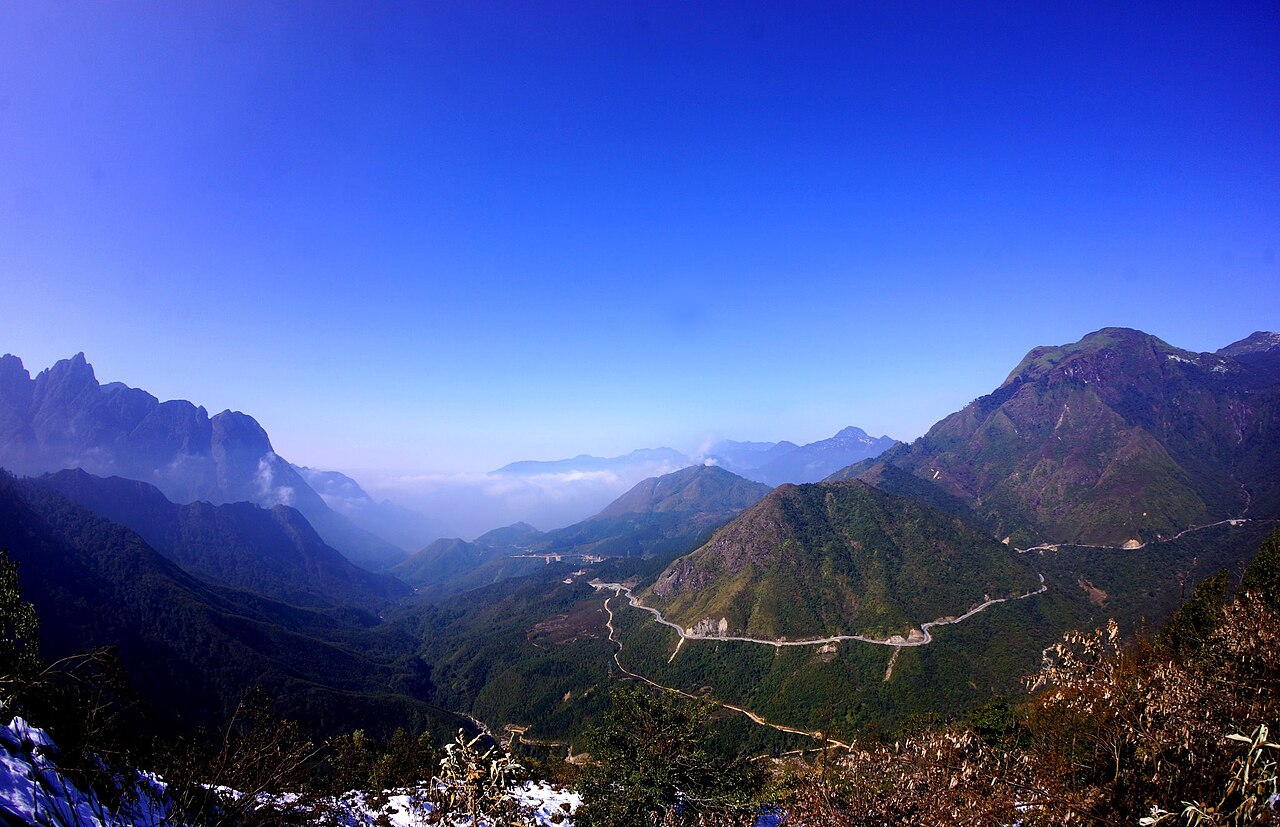
Planning your Sapa to Mu Cang Chai transport takes you across the rugged spine of the Hoang Lien Son range. Covering 135 kilometers through alpine passes and terraced river valleys, this mountain corridor directly links Lao Cai province with Yen Bai province. Taking this overland path saves travelers from returning to Hanoi between destinations. The road crests O Quy Ho Pass before descending into Than Uyen and joining National Highway QL32 toward the terraced fields of Mu Cang Chai.
The Concierge Verdict
Take the daily morning local minibus or shared van from Sapa bus station to Mu Cang Chai town for 180,000 to 240,000 VND ($7.20 – $9.60 USD). Leaving between 07:30 and 08:30, it navigates the 135-kilometer mountain route in 3.5 to 4.5 hours. If you travel with heavy luggage or in a group of three or more, book a private 7-seat transfer for 1,900,000 to 2,300,000 VND ($76.00 – $92.00 USD). Private transfers allow photo stops at O Quy Ho Heaven Gate and tea plantations in Tan Uyen.
Transport Comparison: Sapa to Mu Cang Chai
| Transport Mode | Travel Time | One-Way Fare (VND / USD) | Daily Departures | Pickup & Drop-off Points |
|---|---|---|---|---|
| Local Minibus / Shared Van | 3.5 – 4.5 hours | 180,000 – 240,000 VND ($7.20 – $9.60 USD) | 2-3 daily (07:30, 08:30, 13:00) | Sapa Central Bus Station → Mu Cang Chai Post Office |
| Private Car / 7-Seat SUV | 3.0 – 3.5 hours | 1,900,000 – 2,300,000 VND ($76.00 – $92.00 USD) | On demand, flexible pickup | Hotel door-to-door via O Quy Ho and QL32 |
| Motorbike Rental (Self-Drive) | 4.5 – 5.5 hours | 160,000 – 220,000 VND ($6.40 – $8.80 USD) / day | Depart at dawn recommended | Sapa rental shop → Mu Cang Chai homestay |
| Connecting Bus via Than Uyen | 4.5 – 5.5 hours | 150,000 – 190,000 VND ($6.00 – $7.60 USD) total | Hourly to Than Uyen, then transfer | Sapa Bus Station → Than Uyen Market → Mu Cang Chai |
Option 1: Direct Local Minibus or Shared Van
Regional minivans provide the most economical choice. These 16-seat Ford Transit vans and 29-seat county buses depart from Sapa Central Bus Station along Dien Bien Phu Street, costing between 180,000 and 240,000 VND ($7.20 – $9.60 USD) per passenger as drivers load cargo before climbing past Silver Waterfall. Tickets sell fast. Ask your Sapa guesthouse host to call the transport operator the afternoon prior to departure. Morning vans leave Sapa at 07:30 and 08:30, reaching Mu Cang Chai town by 12:00 noon after several short cargo stops along the highway. One afternoon run operates at 13:00. Vans pull into the central staging area near Mu Cang Chai bridge. Motorcycle taxis wait nearby.
Option 2: Private Car Transfer
Private transfers offer complete flexibility. Book ahead during weekends. Local drivers operate sturdy 7-seat SUVs such as Toyota Fortuners or Mitsubishi Pajero Sports. Drivers know these switchbacks well. One-way vehicle hire ranges from 1,900,000 to 2,300,000 VND ($76.00 – $92.00 USD), covering fuel, highway tolls, and driver fees. Splitting this expense across three or four travelers makes the per-person rate competitive with multiple tourist transfers.
Travelers can pause along the O Quy Ho ridge at 2,000 meters altitude to photograph mountain vistas without watching a bus clock. The route winds past emerald tea estates in Tan Uyen and through the peaceful river plains of Than Uyen. Total transit takes approximately 3.0 to 3.5 hours under clear weather conditions. Your driver drops you directly at remote village homestays in La Pan Tan, Che Cu Nha, or De Xu Phinh, sparing you an extra local taxi transfer.
Option 3: Self-Drive Motorbike via O Quy Ho and Highway 32
Riding a motorcycle between Sapa and Mu Cang Chai ranks among Northern Vietnam’s premier road journeys. Semi-automatic Honda Waves rent for 160,000 VND ($6.40 USD) per day, while 150cc manual dual-sport bikes cost 280,000 to 350,000 VND ($11.20 – $14.00 USD). Budget 80,000 VND ($3.20 USD) for high-octane gasoline along the 135-kilometer route. Fill the tank before leaving town.
Start early. Leave Sapa by 07:00 to clear O Quy Ho Pass before dense cloud cover rolls over the high ridge. Follow Highway QL4D westward into Lai Chau province, turning south onto Highway QL32 at the Binh Lu junction. Pavement across QL32 is mostly asphalt, though road crews occasionally patch gravel stretches damaged by summer rains. Carry a valid 1968 International Driving Permit, motorcycle endorsement, and comprehensive medical insurance before setting off.
Harvest Season Travel Considerations
Golden rice season in Mu Cang Chai spans from early September through the second week of October. Autumn is prime time. During these five weeks, domestic visitors pack Highway QL32, producing occasional traffic bottlenecks around Khau Pha Pass and Mam Xoi viewpoint. Local minibus seats sell out 2 to 3 days ahead on weekends. If your trip falls during harvest, secure tickets well in advance or schedule your transit on a Tuesday or Wednesday.
Summer monsoon rains peak in July and August. Heavy downpours trigger minor rockslides and mud washouts along mountain shoulders on QL4D. Check local road condition reports with your hotel manager before departing during heavy precipitation periods.
Frequently Asked Questions
How much does a bus from Sapa to Mu Cang Chai cost?
A direct local bus or shared minivan ticket costs between 180,000 and 240,000 VND ($7.20 – $9.60 USD) per seat. If you transfer buses in Than Uyen, total fares run 150,000 to 190,000 VND ($6.00 – $7.60 USD).
How long does the journey take?
Direct shared vans take between 3.5 and 4.5 hours depending on road traffic and cargo stops. Private cars complete the 135-kilometer drive in 3.0 to 3.5 hours.
Can I do a day trip to Mu Cang Chai from Sapa?
A day trip is not recommended. Round-trip driving requires 7 to 8 hours on winding mountain roads, leaving little daylight to explore the terraces. Stay at least one or two nights in Mu Cang Chai homestays.
Where do buses drop off in Mu Cang Chai?
Buses arrive in Mu Cang Chai town center near the main post office and bridge. Local xe om (motorcycle taxi) drivers wait there to transport you to outlying hamlets like La Pan Tan for 60,000 to 100,000 VND ($2.40 – $4.00 USD).
Where to Go Next
After reaching the sculpted rice terraces of Yen Bai province, continue planning your northern route with our detailed guides. Explore accommodation options in our where to stay in Mu Cang Chai directory, map your regional loop using the Northwest Vietnam itinerary, or compare transport options across the border ridge with our Sapa to Ha Giang transport guide.
Connected Destinations along the Northern Highlands Frontier
Continue your Vietnam route seamlessly with verified transit times and natural regional connections.
Ha Giang Extreme Loop
Ride through Ma Pi Leng pass, Dong Van Karst Plateau, and rugged ethnic frontiers.
Mu Cang Chai Terraced Valleys
Witness Vietnam's most photogenic golden terraced hillsides and serene ethnic homestays.
Pu Luong Nature Reserve
Tranquil waterwheels, terraced limestone valleys, and traditional Thai stilt house homestays.