Vietnam Train vs Flight (2026): Travel Comparison
Weighing Vietnam train vs flight travel represents one of the most critical routing decisions for international travelers exploring the length of Vietnam. Stretching over 1,650 kilometers from the northern mountain peaks of Lang Son down to the Gulf of Thailand, the country features two distinct transit networks: the heritage single-track Reunification Railway and a booming network of domestic commercial flights. Understanding when to fly and when to take the train saves dozens of travel hours, trims transport budgets, and opens up unforgettable coastal landscapes.
The Concierge Verdict
Book domestic flights for long-haul journeys spanning across country halves, specifically between Hanoi and Ho Chi Minh City or Da Nang and Can Tho. Direct air travel takes 1.25 to 2.25 hours and costs 850,000 to 1,950,000 VND ($34.00 – $78.00 USD), saving 30+ exhausting overland hours. Conversely, always take the train for regional coastal journeys under 350 kilometers—such as Da Nang to Hue across the Hai Van Pass, Hanoi to Ninh Binh, or Nha Trang to Quy Nhon. Trains deliver you center-to-center without airport transfer fees, charge only 90,000 to 280,000 VND ($3.60 – $11.20 USD), and provide panoramic oceanfront views.
Comprehensive Comparison: Train vs Domestic Flight
| Travel Route / Corridor | Reunification Train Time | Train Fare (4-Berth / Seat) | Domestic Flight Time | Flight Fare (Eco Airfare) |
|---|---|---|---|---|
| Hanoi ↔ Ho Chi Minh City (1,726 km) | 31 – 36 hours | 1,250,000 – 1,850,000 VND ($50.00 – $74.00 USD) | 2 hours 10 mins | 950,000 – 2,200,000 VND ($38.00 – $88.00 USD) |
| Hanoi ↔ Da Nang (791 km) | 15.5 – 17.5 hours | 750,000 – 1,150,000 VND ($30.00 – $46.00 USD) | 1 hour 20 mins | 780,000 – 1,650,000 VND ($31.20 – $66.00 USD) |
| Da Nang ↔ Hue (103 km via Hai Van) | 2.5 – 3.0 hours | 90,000 – 150,000 VND ($3.60 – $6.00 USD) | No direct flight route | Not applicable (Road / Rail only) |
| Hanoi ↔ Dong Hoi / Phong Nha (522 km) | 9.5 – 10.5 hours | 520,000 – 820,000 VND ($20.80 – $32.80 USD) | 1 hour 05 mins | 850,000 – 1,750,000 VND ($34.00 – $70.00 USD) |
| Ho Chi Minh City ↔ Nha Trang (411 km) | 7.5 – 8.5 hours | 420,000 – 680,000 VND ($16.80 – $27.20 USD) | 1 hour 10 mins | 720,000 – 1,550,000 VND ($28.80 – $62.00 USD) |
When Flying Wins: Long-Haul National Crossings
Flying stands as the uncontested winner for routes exceeding 600 kilometers when travel schedules are tight. A commercial flight between Hanoi’s Noi Bai International Airport (HAN) and Ho Chi Minh City’s Tan Son Nhat Airport (SGN) takes just 2 hours and 10 minutes in the air. Even accounting for airport taxi rides and standard 90-minute security buffers, total transit time amounts to roughly 4.5 to 5.0 hours.
By contrast, the fastest Reunification Express train (SE1 or SE3) requires 31.5 to 33 hours to complete the identical distance. Unless you intentionally seek a multi-day slow travel adventure watching rural farming provinces pass by your window, taking the train across the entire length of Vietnam consumes two full vacation days. Budget airlines like Vietjet Air and Bamboo Airways frequently offer promotional one-way tickets between Hanoi and Saigon for 950,000 to 1,400,000 VND ($38.00 – $56.00 USD)—often cheaper than a 4-berth soft sleeper train berth.
When the Train Wins: Coastal Scenery & Regional Convenience
On regional corridors under 400 kilometers, the railway frequently beats air travel in convenience, affordability, and sheer scenic pleasure. Major advantages include:
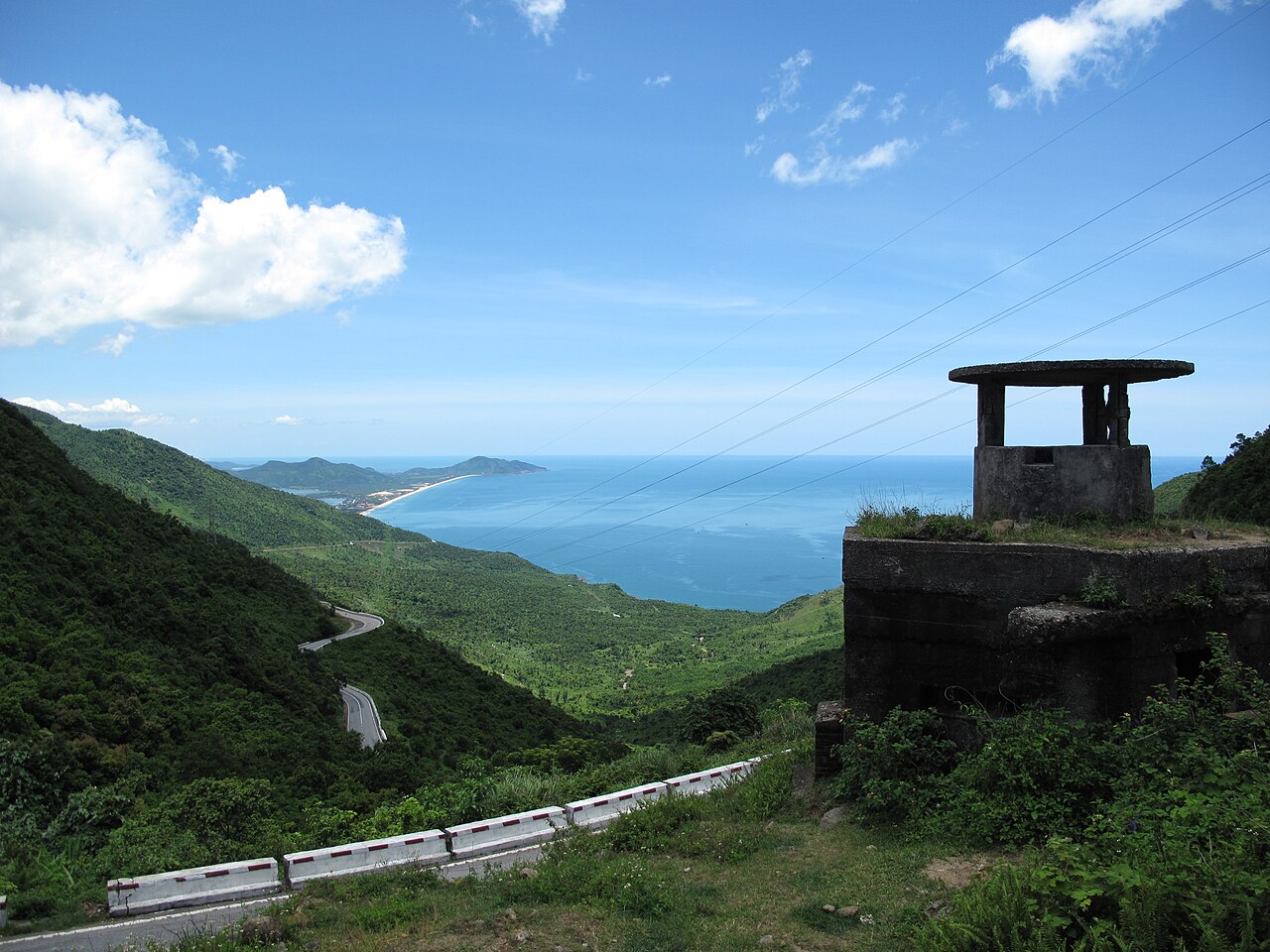
City-Center Terminals: Train stations in Hanoi, Hue, Da Nang, Quy Nhon (Dieu Tri), and Nha Trang sit directly inside the urban core. You step off the train straight into downtown streets, eliminating long rides to distant suburban airports. Taking the train from Da Nang to Hue costs just 90,000 to 150,000 VND ($3.60 – $6.00 USD) and traces the cliffs of Hai Van Pass high above the South China Sea—a world-famous rail stretch where no commercial flights exist.
Overnight Sleeper Efficiency: Overnight sleeper trains (like Hanoi to Dong Hoi or Hanoi to Hue) allow you to turn travel hours into hotel savings. Boarding train SE19 in Hanoi at 19:50 delivers you to Dong Hoi Station at 05:55 the next morning for 550,000 to 780,000 VND ($22.00 – $31.20 USD). You save the expense of a hotel room night and arrive ready to explore the caves of Phong Nha-Ke Bang National Park at daybreak.
Baggage Allowances & Travel Flexibility Compared
Luggage allowances represent a substantial hidden cost for domestic flights. Budget carriers including Vietjet Air enforce strict 7-kilogram cabin baggage allowances with rigid dimension checks at boarding gates. Checking a 20-kilogram suitcase adds 220,000 to 450,000 VND ($8.80 – $18.00 USD) per passenger when pre-booked online, or significantly more at airport check-in counters.
Vietnam Railways allows passengers to bring up to 20 kilograms of personal luggage free of charge without stringent liquid volume restrictions or weighing scales. You can carry large rucksacks, regional wine bottles, and personal toiletries directly into your train compartment. Furthermore, train tickets can be booked, modified, or refunded online via the official railway portal with minimal administrative penalties compared to non-refundable budget airfares.
Frequently Asked Questions
Is it cheaper to take the train or fly in Vietnam?
For short and medium distances under 400 km, trains are significantly cheaper (90,000 to 300,000 VND / $3.60 – $12.00 USD). On long-haul routes like Hanoi to Saigon, budget flights often equal or beat sleeper train prices.
How comfortable are sleeper trains in Vietnam?
First-class 4-berth soft sleeper cabins on express trains (SE1 to SE4) provide clean bedding, air conditioning, reading lights, and locking doors, offering good comfort for overnight runs.
Which train journey in Vietnam has the best scenery?
The 3-hour journey between Da Nang and Hue over the Hai Van Pass offers the most spectacular scenery, clinging to coastal cliffs overlooking pristine turquoise bays.
How early do I need to arrive at train stations vs airports?
Arrive at train stations 20 to 30 minutes before departure. For domestic flights, you must arrive 90 to 120 minutes prior to departure to clear check-in and security.
Where to Go Next
Refining your overland and air connections ensures a smooth, stress-free journey across Vietnam. Compare domestic airlines and baggage policies in our Vietnam domestic flights guide, study rail routes and classes in our Vietnam train travel guide, or master overnight bus routes using our Vietnam sleeper bus survival guide.
Connected Destinations along the Classic Vietnam Grand Route
Continue your Vietnam route seamlessly with verified transit times and natural regional connections.
Hanoi & Northern Karsts
Begin in Hanoi with Old Quarter food alleys before cruising Ha Long Bay and cycling Ninh Binh.
Central Heritage Corridor
Immerse in lantern-lit Hoi An, imperial palaces in Hue, and sandy beaches in Da Nang.
Southern Riverine Route
Experience Saigon's energy, historic Cu Chi tunnels, and sampan waterways in the Mekong Delta.