Northeast frontier planning – Updated September 23, 2026
Cao Bang Travel Guide: Ban Gioc Waterfall & Loop Routes
Bordering southern China across the Quay Son River, Cao Bang anchors Vietnam’s most dramatic border landscapes. Home to Ban Gioc Waterfall—the fourth largest transnational falls in the world—and the UNESCO Global Geopark Non Nuoc Cao Bang, it rewards travelers willing to journey beyond standard tour circuits.
Concierge verdict
Add Cao Bang if you are completing an extended Northern Vietnam overland loop or want to witness Ban Gioc Waterfall in its peak harvest season (September to November). It features pristine karst canyons, Nguom Ngao Cave, and tranquil Tay ethnic homestays with a fraction of the mass bus tourism found in Sapa. Skip Cao Bang as a rushed 2-day return trip from Hanoi; the 280-kilometer mountain road requires at least 7 hours each way, meaning a quick weekend trip exhausts your travel party on highways.
Why this guide exists
Many tour agencies market Ban Gioc Waterfall as an easy “day excursion” from Hanoi. In practice, travelers spend 14 hours inside cramped minibuses across two days just to spend 45 minutes taking selfies at the riverbank. That rushed style fails to account for border checkpoints, hydro-dam water release schedules, and nearby geological marvels like Nguom Ngao Cave.
This guide explains how to properly pace Cao Bang: either as a dedicated 3-day northeast loop paired with Ba Be Lake, or as the eastern continuation of the Ha Giang mountain circuit via Bao Lac.
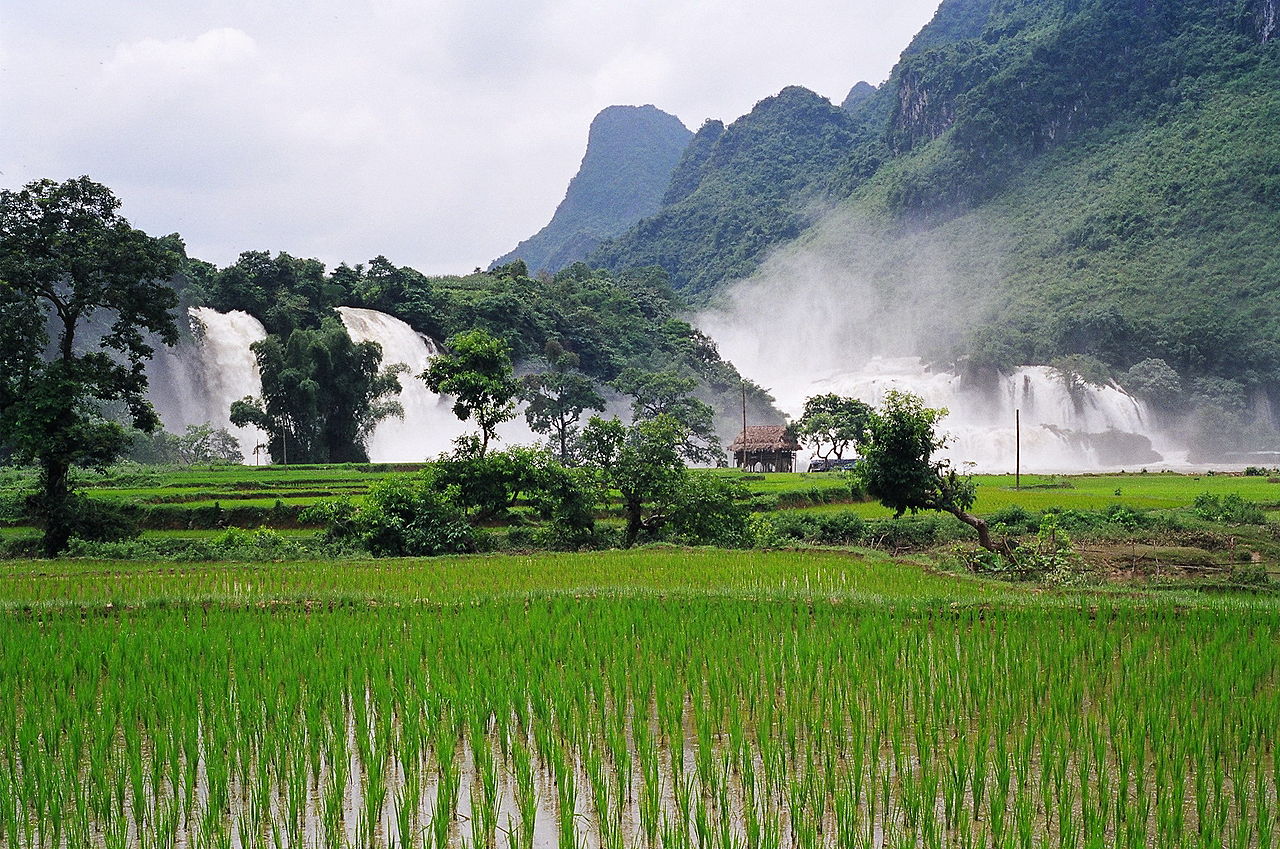
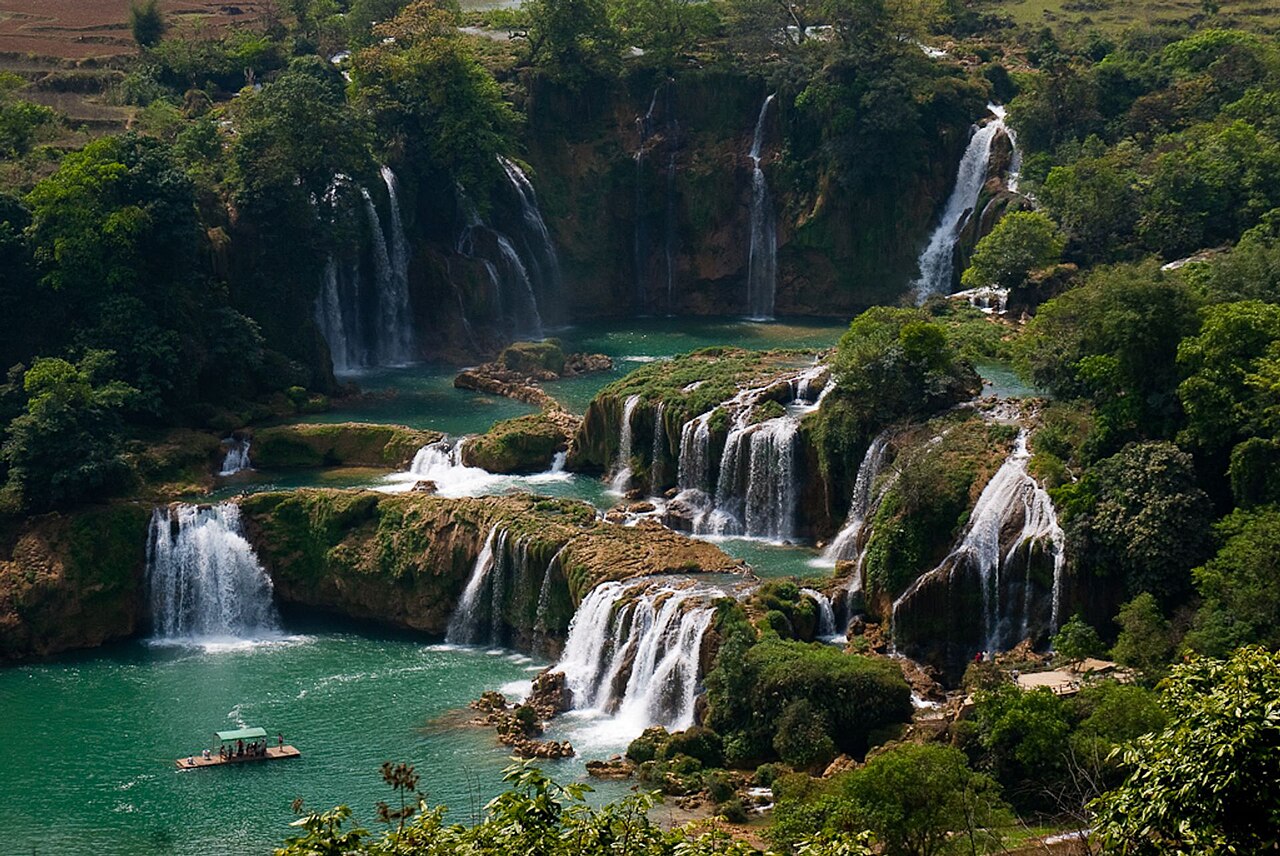
Photo proof: border cataracts and limestone caverns

Add, shorten or skip Cao Bang?
| Itinerary Context | Recommendation | Strategic Decision Rationale |
|---|---|---|
| Hanoi First-Timer (7–10 Days) | Skip | Too distant. Allocate your northern days to Hanoi, Ninh Binh, and Ha Long Bay instead. |
| Extended Northern Explorer (14+ Days) | Add (3 Nights) | Combine Ha Giang → Bao Lac → Cao Bang → Ba Be Lake for Southeast Asia’s finest overland circuit. |
| Waterfall & Photography Specialists | Add (2 Nights) | Base directly in Dam Thuy village to catch morning mist and optimal dam discharge hours. |
| Travelers With Mobility Restrictions | Skip | Steep cave staircases, rocky paths, and long overland rides over winding mountain passes. |
Ban Gioc Waterfall: crucial visitor logistics
Ban Gioc spans 300 meters wide across three cascading tiers. Keep these operational realities in mind before buying tickets:
- Dam Water-Release Window (11:00 AM – 2:30 PM): Upstream hydroelectric dams regulate water volume on the Quay Son River. Before 11:00 AM, the falls can look modest; between 11:30 AM and 2:00 PM, the full torrent is released, creating thunderous spray and dramatic photo conditions.
- Bamboo Raft Excursion: Motorized bamboo rafts ferry visitors directly to the foot of the thundering falls for 50,000 VND ($2 USD) per person. You will get wet from spray; bring a waterproof dry bag for cameras and phones.
- Border Demarcation & Passports: Because Ban Gioc straddles the border with Guangxi, China, you must carry your original passport with valid Vietnam visa entry stamps. Foreign visitors no longer require a separate provincial border permit, but border guards perform spot document checks at the ticket booth (45,000 VND admission).
- Phat Tich Truc Lam Ban Gioc Pagoda: Climb 300 stone steps up the adjacent hillside to this northern monastery. The upper terrace offers an unobstructed aerial viewpoint looking down across the entire waterfall amphitheater.
Other essential Cao Bang highlights
Do not leave the province without exploring these world-class geological and historical sites:
- Nguom Ngao Cave: Located just 4 kilometers from Ban Gioc. This 2-kilometer illuminated cavern contains towering limestone pillars, petrified lotus flower formations, and a subterranean river corridor that stays a steady 18°C year-round.
- Pac Bo Historical Cave & Lenin Stream: Located 55 kilometers north of Cao Bang City near the Chinese border. A serene turquoise mountain stream winding through shaded bamboo groves to the cave where Ho Chi Minh lived in 1941 after 30 years abroad.
- Phia Thap Incense Village: Traditional Nung ethnic hamlet where families handcraft aromatic incense sticks from wild agarwood and bark, sun-drying colorful crimson bundles along the roadside.
- Ma Phuc Pass (Seven-Tiered Pass): A dramatic serpentine mountain highway on National Route QL3 featuring seven steep switchback hairpins carved into vertical karst cliffs.
Seasonal timing: harvest gold vs dry winter
Water volume and agricultural field colors dictate the ideal travel window:
| Window | Months | Water Volume | Landscape Conditions |
|---|---|---|---|
| Golden Harvest (Peak) | September – November | High / Emerald | Warm, clear weather; golden ripe rice paddies in Dam Thuy; full waterfall roar. The premier season. |
| Summer Monsoons | June – August | Very High / Muddy | Torrential rains make the falls enormous, but water turns brown/red with silt runoff. Landslide risks on QL34. |
| Dry Winter & Spring | December – April | Low / Clear Blue | Crisp skies, cold nights (8°C–12°C), minimal rainfall. The river flows clear turquoise, but waterfall volume is thinner. |
Where to stay: Cao Bang City vs Dam Thuy homestays
Your accommodation base shapes your sightseeing efficiency:
- Dam Thuy Village (Recommended for Nature Lovers): Stay in traditional Tay stilt-house homestays or rustic eco-lodges (such as Lan’s Homestay or Yungs Homestay) right along the Quay Son River. You can walk or cycle to Ban Gioc Waterfall early in the morning before tourist tour buses arrive from the city.
- Cao Bang City Center: Modern commercial hotels, ATMs, diverse restaurants, and night market dining along the Bang Giang River. Convenient for early morning bus departures back to Hanoi, but located 85 kilometers (2 hours) away from Ban Gioc Waterfall.
Frequently asked questions
How far is Cao Bang from Hanoi, and how do I get there?
Cao Bang City is 280 kilometers northeast of Hanoi. Comfortable limousine vans and sleeper buses depart daily from Hanoi My Dinh station and the Old Quarter, taking 6 to 7 hours via Expressways CT07 and National Route QL3 (fares range from 280,000 to 380,000 VND / $11–$15 USD).
Can I travel directly from Ha Giang to Cao Bang?
Yes. Motorbike riders and private car travelers take the scenic eastern route: Ha Giang City → Dong Van → Meo Vac → Bao Lac → Cao Bang City along National Route QL34 (approx. 240 km / 7–8 hours). The section between Meo Vac and Bao Lac is rugged and requires alert riding.
Do I need a special border permit for Ban Gioc?
No separate police permit is required for international travelers visiting the designated Ban Gioc tourist scenic area, provided you present your original passport with valid Vietnam entry visa at the entrance ticket booth.