Where to Stay in Hue: Best Areas & Hotels (2026)
Deciding where to stay in Hue comes down to which side of the Perfume River you want to wake up on. The city is broadly divided into the quiet, historical North Bank (home to the Imperial Citadel) and the busier, modern South Bank (where you’ll find the tourist center and most hotels). Whether you want river views, immediate access to street food, or a quiet boutique stay, Hue’s accommodation scene offers excellent value for money.
The Concierge Verdict
For first-timers, the South Bank tourist strip (around Pham Ngu Lao and Chu Van An streets) is the most practical choice, putting restaurants, bars, and transport links within walking distance. If you prioritize atmosphere over nightlife, look for a boutique hotel on the North Bank near the Citadel walls. For pure luxury, the riverside resorts on the outskirts of town provide a serene retreat, though you’ll rely on taxis to get into the city.
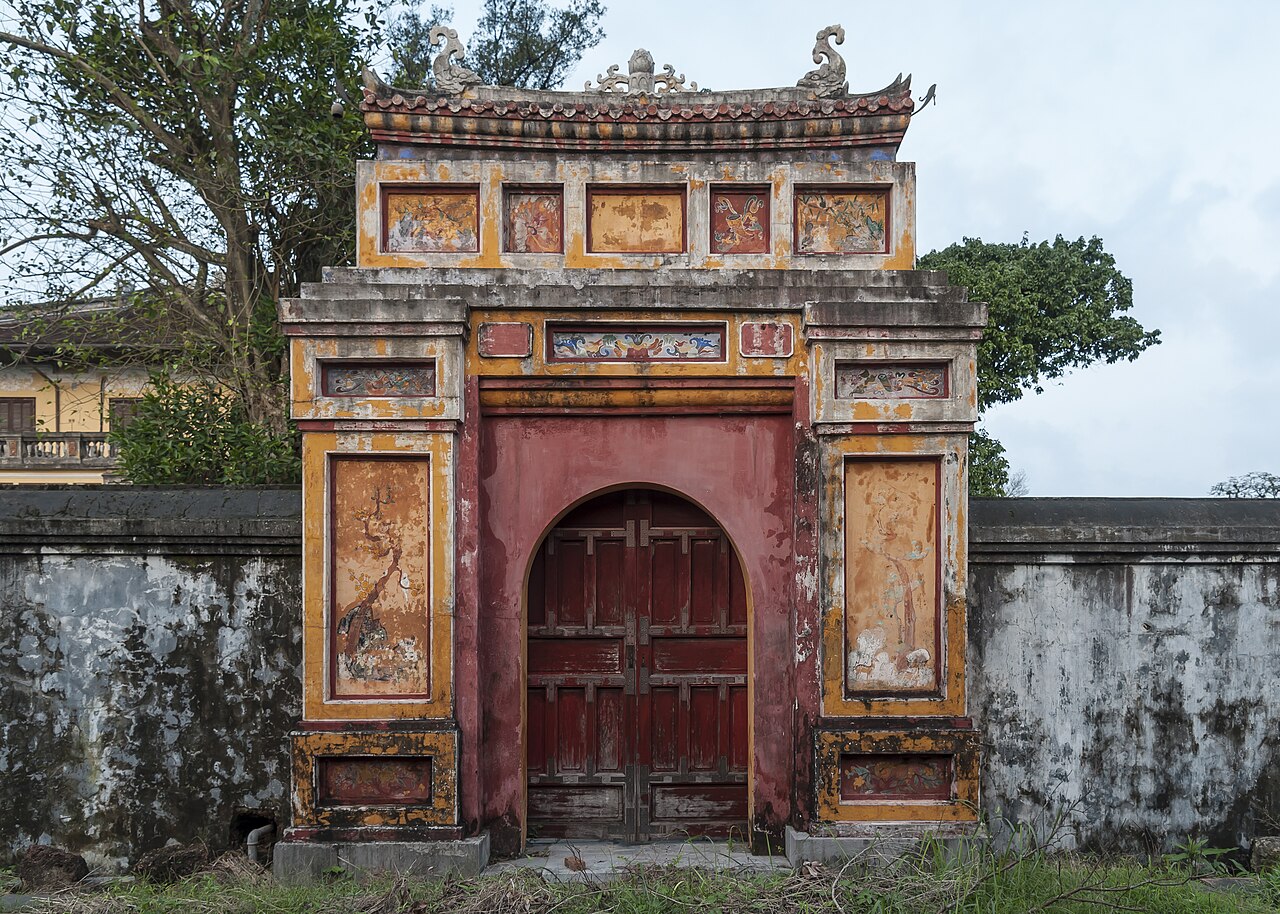
Hue Neighborhood Comparison
| Area | Vibe | Price Range (VND) | Best For |
|---|---|---|---|
| South Bank (Tourist Strip) | Busy, convenient, walkable | 300,000 – 1,500,000 | First-timers, nightlife, foodies |
| North Bank (Citadel Area) | Quiet, historic, local | 400,000 – 2,000,000 | Couples, history buffs, early risers |
| Perfume Riverside (Outskirts) | Resort-style, tranquil | 2,500,000 – 6,000,000+ | Luxury travelers, honeymooners |
| An Cuu Area | Local, gritty, authentic | 200,000 – 600,000 | Backpackers, long-term stays |
1. South Bank (The Tourist Center)
The grid of streets encompassing Le Loi, Pham Ngu Lao, and Chu Van An is the beating heart of Hue’s tourist infrastructure. This is where you’ll find the highest concentration of hotels, from $15 guesthouses to four-star high-rises. Staying here means you can walk to dinner, hit up a bar on the weekend walking street, and easily catch a Grab taxi to the tombs the next morning.
- Pros: Highly walkable, excellent dining options, easy to book tours.
- Cons: Can be noisy on weekends, lacks the historical charm of the North Bank.
2. North Bank (Inside and Around the Citadel)
The North Bank is defined by the massive walls of the Imperial City. The streets here are lined with ancient trees, traditional garden houses, and quiet cafes. It feels like a different city compared to the South Bank. Accommodation here leans toward small boutique hotels and homestays. It’s incredibly peaceful at night, which also means dining options are limited after 9:00 PM.
- Pros: Atmospheric, close to the Citadel for early morning visits, very quiet.
- Cons: Dead at night, requires a taxi to cross the river for bars or major restaurants.
3. Perfume Riverside Luxury
A few kilometers outside the city center, specifically heading west toward Thien Mu Pagoda or east toward the lagoon, are several sprawling, high-end resorts built along the banks of the Perfume River. These properties feature large pools, extensive spas, and gorgeous views of the slow-moving water.
- Pros: Five-star amenities, absolute tranquility, beautiful scenery.
- Cons: Expensive, isolated. You will need a taxi (50,000 – 100,000 VND) to get into town.
4. An Cuu Area
Located further south of the main tourist strip, the An Cuu ward offers a slice of local Hue life. It’s built around the An Cuu market and a small canal. This is prime territory for budget travelers and those wanting to eat incredible local street food (like banh ep and bun bo Hue) at neighborhood prices.
- Pros: Very cheap, fantastic local food scene, zero tourist traps.
- Cons: Not walkable to major sights, limited English spoken, basic accommodations.
Arrival Logistics & Transport Navigation
Arriving in Hue smoothly requires choosing the right transit mode from regional arrival hubs to your accommodation door:
- Railway & Bus Hub Connection: Arriving travelers land at Hue Railway Station (Ga Hue) on Bui Thi Xuan Street, located approximately 2.5 km from the tourist quarter. Standard meter taxi fares run 40,000–60,000 VND ($1.60–$2.40 USD). Always choose metered operators (Mai Linh, Vinasun) or book via ride-hailing apps (Grab, Be) to eliminate fare negotiations.
- Airport Transit Options: The closest air facility is Phu Bai International Airport (HUI), located 15 km south of the city center. Reliable door-to-door transit runs 220,000–280,000 VND ($9–$11 USD) via meter taxi or Grab. Many boutique properties arrange pre-booked airport pickups that meet you outside the arrivals hall with personalized name boards.
- Night Bus Terminal Protocols: Long-distance sleeper routes typically terminate at Southern Bus Station (Ben Xe Phia Nam) or central hotel drop-offs along Pham Ngu Lao. Early morning arrivals (between 04:30 and 06:00) can leave luggage safely at hotel reception lobbies before daytime check-in opens.
- Local Scam Prevention: Avoid freelance cyclo drivers outside Ga Hue who quote 20,000 VND then aggressively demand 200,000 VND upon arrival.
Base Selection Matrix: Matching Your Travel Style
Different parts of Hue cater to contrasting visitor priorities. Review this strategic breakdown to select your optimal neighborhood anchor:
| Traveler Profile | Recommended Base | Key Advantages | Trade-Offs to Consider |
|---|---|---|---|
| First-Time Visitors | Central Downtown / Primary Tourist Corridor | High walkability, dense restaurant choices, effortless tour pickups, bilingual hotel front desks. | Higher street noise levels; room rates carry modest tourist area premiums. |
| Couples & Leisure Seekers | Riverside, Coastal or Heritage Perimeter | Tranquil resort grounds, private balconies, scenic water or garden views, on-site spas. | Short taxi trips (40,000–80,000 VND) required to reach busy evening street food markets. |
| Budget & Solo Backpackers | Local Market Wards & Backpacker Clusters | Affordable dorms and private rooms (200,000–450,000 VND), social cafes, inexpensive laundromats. | Modest room sizes; basic soundproofing during early morning market deliveries. |
| Remote Workers & Slow Travelers | Residential Boutique Enclaves | Stable high-speed optical fiber WiFi (80–120 Mbps), kitchenettes, monthly rental discounts. | Requires renting a 110cc scooter (130,000–180,000 VND/day) for independent daily mobility. |
Check-in Regulations & Guest Protocols (2026 Verification)
Vietnamese lodging operations follow specific administrative and security guidelines. Keeping these practical considerations in mind ensures effortless hotel check-ins:
- Mandatory Police Guest Registration: Vietnamese law requires all licensed accommodation providers (from 5-star properties down to rural homestays) to register foreign guests on the local public security database within 24 hours of arrival. You must present an original valid passport and Vietnam entry visa (or eVisa confirmation document). Reception staff will photocopy or scan your documents and promptly return the physical passport.
- Standard Check-in & Check-out Windows: Standard hotel check-in across Vietnam commences at 14:00, with check-out scheduled between 11:30 and 12:00. If your sleeper train or bus arrives at dawn, most hotels store backpacks in locked luggage rooms free of charge while you explore nearby morning noodle stalls. Guaranteed early check-in before 08:00 typically incurs a 50% day-rate surcharge.
- Deposit Practices & Payment Options: Mid-range and luxury properties routinely request a temporary room key deposit of 500,000–1,000,000 VND ($20–$40 USD) in cash, or place an equivalent temporary hold on an international credit card (Visa, Mastercard). Cash deposits are returned in full during room inspection at check-out. Credit card pre-authorizations release back into your account within 7 to 14 banking days.
- Keycard Electricity Controls & Room Etiquette: Guest rooms utilize electronic keycards for master circuit activation. When leaving your room, air conditioning compressors automatically shut down to comply with national green energy conservation standards. Tap water across Vietnam is non-potable; reputable hotels supply two complimentary 350ml glass bottles of purified water daily or feature filtered water refill dispensers in common corridors.
Frequently Asked Questions
Do I need to book accommodation in advance for Hue?
Outside of the Tet holiday (usually Jan/Feb) and the Hue Festival (usually April/May in even-numbered years), you can easily find a room a day or two in advance. However, top-rated boutique hotels sell out early.
How much does a taxi cost between the North and South Bank?
A Grab car or traditional taxi ride across the Truong Tien or Phu Xuan bridges typically costs between 40,000 and 60,000 VND, taking about 10-15 minutes depending on traffic.
Where to go next
- Hue Imperial City Guide
- Hue Street Food Guide
- Best Things to Do in Hue
- Da Nang to Hue: Train vs Car
- Hue to Dong Hoi Transport: Coastal trains and limousine vans heading north to the cave gateway.
- Dong Hoi to Hue Transport: Southbound trains, regional buses, and private car options via the DMZ.
- Hue to Phong Nha Transport: Northbound tourist buses, trains to Dong Hoi, and private DMZ car excursions.
- Where to Stay in Lang Co: Laguna luxury villas, peninsula beach resorts, and Lap An lagoon stays.
Connected Destinations along the Central Heritage Corridor
Continue your Vietnam route seamlessly with verified transit times and natural regional connections.
Hoi An Ancient Town
Yellow-ochre alleyways, night lantern riverboats, custom tailoring, and riverside dining.
Hue Imperial Citadel & Tombs
Nguyen dynasty royal palaces, ornate emperor tombs, and Perfume River dragon boat rides.
Da Nang City & My Khe Beach
Modern international airport, Marble Mountains, Ba Na Hills, and fresh seafood dining.