Where to Stay in Vinh Hy (2026): Luxury vs Village
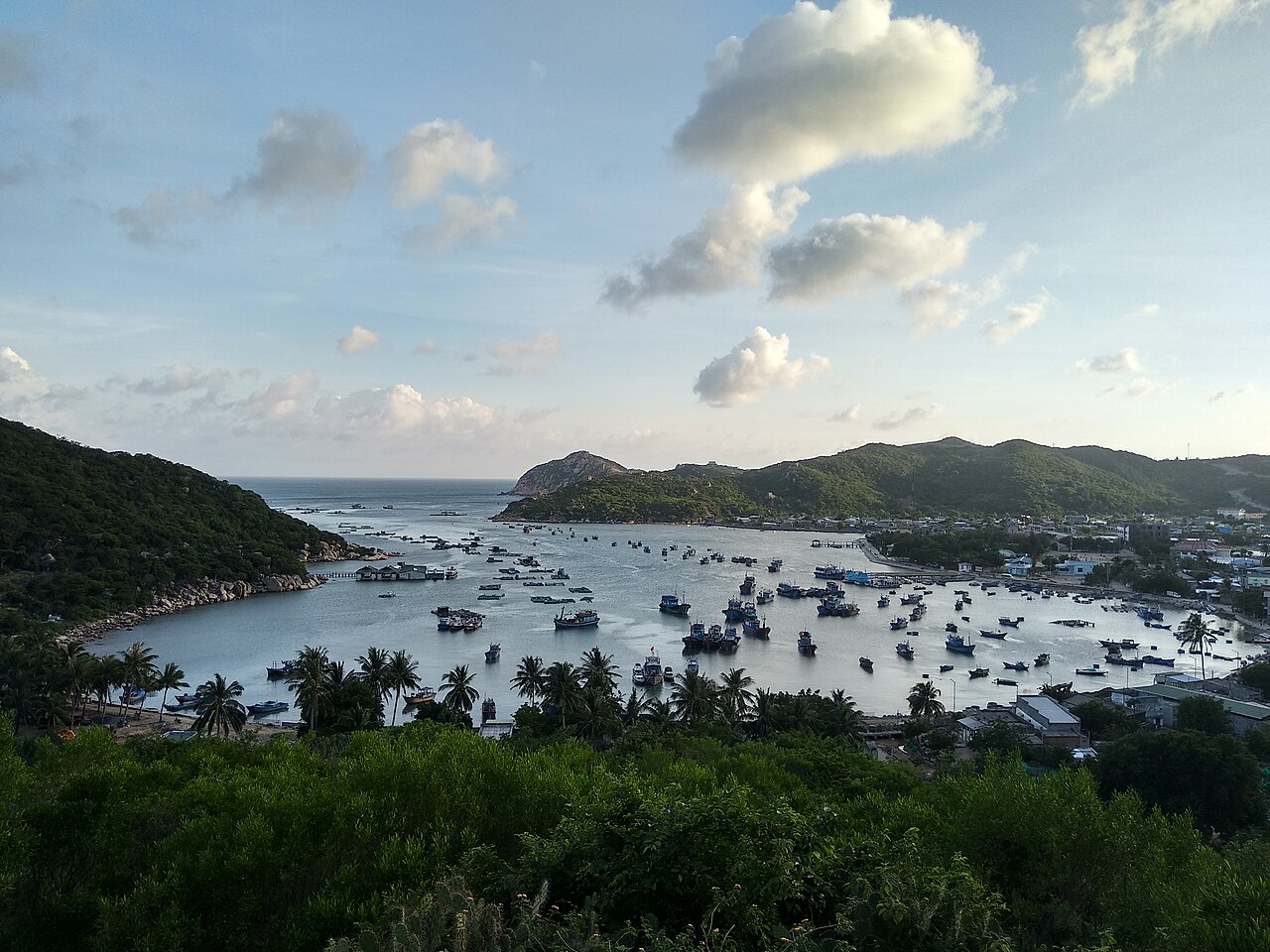
Deciding where to stay in Vinh Hy introduces travelers to one of Vietnam’s most pristine marine bio-reserves. Tucked along the northeastern coast of Ninh Thuan province inside Nui Chua World Biosphere Reserve, this sheltered crescent bay remains remarkably untamed by high-rise developments. Accommodations polarize into two distinct hospitality worlds: world-class ultra-luxury cliffside sanctuaries tucked into private coves, and authentic family-operated homestays and mid-range coastal inns located inside the traditional fishing village.
The Concierge Verdict
If budget allows for once-in-a-lifetime luxury, book an ocean villa at Amanoi Resort perched high on the southern cliff face above Vinh Hy Bay. Nightly rates start around 26,000,000 to 52,000,000 VND ($1,040 – $2,080 USD) for unmatched privacy, private infinity plunge pools, and world-class wellness pavilions. For independent travelers, couples, and scuba enthusiasts seeking genuine local warmth, stay right along the village waterfront near the boat pier. Boutique guesthouses like Chau Gia Hotel and Vinh Hy Resort cost 550,000 to 1,200,000 VND ($22.00 – $48.00 USD), putting you steps from early morning floating seafood rafts and glass-bottom coral boats.
Area Breakdown: Where to Stay in Vinh Hy
| Zone / Category | Setting & Atmosphere | Nightly Room Range (VND / USD) | Best For | Top Properties |
|---|---|---|---|---|
| Private Cliffside Luxury (Amanoi) | Exclusive national park headland & secluded cove | 25,000,000 – 55,000,000 VND ($1,000 – $2,200 USD) | Honeymoons, privacy & ultra-luxury seekers | Amanoi (Aman Resorts) |
| Vinh Hy Fishing Village Pier | Harbor views, seafood eateries & boat departures | 450,000 – 1,100,000 VND ($18.00 – $44.00 USD) | Independent travelers, snorkelers & foodies | Vinh Hy Resort, Chau Gia Hotel, Thinh Thien |
| Village Homestays & Backstreets | Quiet residential alleys shaded by bougainvillea | 280,000 – 550,000 VND ($11.20 – $22.00 USD) | Budget backpackers & cultural immersion | Tho Homestay, Vuon Dua Homestay, Bien Rung |
| Binh Tien Coastline (North Bay) | Sweeping sandy beaches & coastal road staging | 700,000 – 1,600,000 VND ($28.00 – $64.00 USD) | Road-trippers & secluded beach lovers | Casa Maya Hotel, Binh Tien Retreat |
Area 1: Ultra-Luxury Cliffside Sanctuaries (Amanoi)
Occupying a dramatic headland where dense dry-forest slopes meet the turquoise waters of the East Sea, Amanoi stands as one of Southeast Asia’s most acclaimed resort properties. Designed by visionary architect Jean-Michel Gathy, modern pavilions draw inspiration from traditional Vietnamese village dwellings, incorporating dark timber columns, pitched tile roofs, and expansive granite terraces.
Each pavilion features private sun decks overlooking the emerald bay or granite sea stacks. Guests enjoy access to a secluded private beach club, hydrotherapy wellness suites, cliff-edge infinity pools, and guided treks through Nui Chua National Park. Nightly rates of 25,000,000 to 55,000,000 VND ($1,000 – $2,200 USD) include gourmet breakfast, airport transfers from Cam Ranh, and dedicated concierge hosts.
Area 2: Vinh Hy Fishing Village Waterfront
The traditional village encircles the natural harbor. Here, colorful round coracle basket boats bob on calm waters alongside fishing trawlers returning at dawn with squid, red snapper, and sea urchins. Staying in the village provides an authentic slice of central Vietnamese coastal life.
Mid-range hotels like Vinh Hy Resort and Chau Gia provide clean, air-conditioned rooms with private balconies facing the water for 500,000 to 950,000 VND ($20.00 – $38.00 USD). From your doorstep, you can stroll directly onto floating seafood restaurants (nha be) where live lobster, sweet snails, and grouper are cooked to order for a fraction of big-city restaurant prices.
Area 3: Village Homestays & Backstreets
Tucked into narrow lanes just two minutes back from the pier, local families welcome travelers into renovated courtyard homes. These budget homestays feature private double rooms equipped with split-system air conditioning, clean tile floors, and private bathrooms for 300,000 to 500,000 VND ($12.00 – $20.00 USD) per night.
Hosts readily assist with arranging rental motorbikes for 150,000 VND ($6.00 USD) per day, organizing private glass-bottom boats to coral snorkeling reefs for 100,000 to 150,000 VND ($4.00 – $6.00 USD) per person, and packing picnic lunches for hikes to nearby Hang Rai marine fossil reefs.
Vinh Hy Planning & Practical Tips
- Snorkeling Season: The best sea visibility for coral reef diving and snorkeling occurs between March and September, when sea waters remain glassy and calm. November to January can bring strong coastal trade winds.
- Access from Sân Bay: Cam Ranh International Airport (CXR) is the closest flight hub, located just 65 kilometers north via the spectacular DT702 coastal highway. Private taxis cost approximately 650,000 to 850,000 VND ($26.00 – $34.00 USD).
- No Commercial Banks or ATMs: There are no bank branches or international ATMs inside Vinh Hy village. While upscale hotels accept card payments, carry adequate cash for homestays, boat trips, and seafood dining.
Arrival Logistics & Transport Navigation
Arriving in Vinh Hy Bay (Ninh Thuan) smoothly requires choosing the right transit mode from regional arrival hubs to your accommodation door:
- Railway & Bus Hub Connection: Arriving travelers land at Thap Cham Railway Station (Ga Thap Cham) near Phan Rang city, located approximately 42 km northeast through Nui Chua National Park. Standard meter taxi fares run 420,000–520,000 VND ($17–$21 USD). Always choose metered operators (Mai Linh, Vinasun) or book via ride-hailing apps (Grab, Be) to eliminate fare negotiations.
- Airport Transit Options: The closest air facility is Cam Ranh International Airport (CXR), located 65 km south via scenic coastal highway DT702. Reliable door-to-door transit runs 650,000–850,000 VND ($26–$34 USD) for private sedan transfers. Many boutique properties arrange pre-booked airport pickups that meet you outside the arrivals hall with personalized name boards.
- Night Bus Terminal Protocols: Long-distance sleeper routes typically terminate at Vinh Hy Bay pier terminal parking area. Early morning arrivals (between 04:30 and 06:00) can leave luggage safely at hotel reception lobbies before daytime check-in opens.
- Local Scam Prevention: Glass-bottom coral viewing boats should provide certified life jackets for every passenger prior to clearing harbor waters.
Base Selection Matrix: Matching Your Travel Style
Different parts of Vinh Hy Bay (Ninh Thuan) cater to contrasting visitor priorities. Review this strategic breakdown to select your optimal neighborhood anchor:
| Traveler Profile | Recommended Base | Key Advantages | Trade-Offs to Consider |
|---|---|---|---|
| First-Time Visitors | Central Downtown / Primary Tourist Corridor | High walkability, dense restaurant choices, effortless tour pickups, bilingual hotel front desks. | Higher street noise levels; room rates carry modest tourist area premiums. |
| Couples & Leisure Seekers | Riverside, Coastal or Heritage Perimeter | Tranquil resort grounds, private balconies, scenic water or garden views, on-site spas. | Short taxi trips (40,000–80,000 VND) required to reach busy evening street food markets. |
| Budget & Solo Backpackers | Local Market Wards & Backpacker Clusters | Affordable dorms and private rooms (200,000–450,000 VND), social cafes, inexpensive laundromats. | Modest room sizes; basic soundproofing during early morning market deliveries. |
| Remote Workers & Slow Travelers | Residential Boutique Enclaves | Stable high-speed optical fiber WiFi (80–120 Mbps), kitchenettes, monthly rental discounts. | Requires renting a 110cc scooter (130,000–180,000 VND/day) for independent daily mobility. |
Check-in Regulations & Guest Protocols (2026 Verification)
Vietnamese lodging operations follow specific administrative and security guidelines. Keeping these practical considerations in mind ensures effortless hotel check-ins:
- Mandatory Police Guest Registration: Vietnamese law requires all licensed accommodation providers (from 5-star properties down to rural homestays) to register foreign guests on the local public security database within 24 hours of arrival. You must present an original valid passport and Vietnam entry visa (or eVisa confirmation document). Reception staff will photocopy or scan your documents and promptly return the physical passport.
- Standard Check-in & Check-out Windows: Standard hotel check-in across Vietnam commences at 14:00, with check-out scheduled between 11:30 and 12:00. If your sleeper train or bus arrives at dawn, most hotels store backpacks in locked luggage rooms free of charge while you explore nearby morning noodle stalls. Guaranteed early check-in before 08:00 typically incurs a 50% day-rate surcharge.
- Deposit Practices & Payment Options: Mid-range and luxury properties routinely request a temporary room key deposit of 500,000–1,000,000 VND ($20–$40 USD) in cash, or place an equivalent temporary hold on an international credit card (Visa, Mastercard). Cash deposits are returned in full during room inspection at check-out. Credit card pre-authorizations release back into your account within 7 to 14 banking days.
- Keycard Electricity Controls & Room Etiquette: Guest rooms utilize electronic keycards for master circuit activation. When leaving your room, air conditioning compressors automatically shut down to comply with national green energy conservation standards. Tap water across Vietnam is non-potable; reputable hotels supply two complimentary 350ml glass bottles of purified water daily or feature filtered water refill dispensers in common corridors.
Frequently Asked Questions
Is Amanoi the only place to stay in Vinh Hy?
No. While Amanoi is world-famous for ultra-luxury cliffside villas, the traditional fishing village offers pleasant mid-range hotels and family homestays costing 300,000 to 1,100,000 VND ($12.00 – $44.00 USD) per night.
What is the best season to visit Vinh Hy for snorkeling?
Between March and September. During these months, the bay waters are crystalline, calm, and ideal for glass-bottom boat trips and coral reef snorkeling.
How do I reach Vinh Hy from Cam Ranh Airport?
Cam Ranh Airport is 65 kilometers north. A private taxi takes 75 minutes along coastal Highway DT702 and costs roughly 650,000 to 850,000 VND ($26.00 – $34.00 USD).
Are there ATMs inside Vinh Hy village?
No. There are no international ATMs in the village. Withdraw sufficient Vietnamese Dong cash in Phan Rang or Cam Ranh before arriving.
Where to Go Next
Continue planning your coastal journey with our comprehensive regional guides. Discover provincial capital lodging in our where to stay in Phan Rang guide, check northern airport access via where to stay in Cam Ranh, or explore regional highlights in our best places to visit in Vietnam overview.
Connected Destinations along the Coastal & Island Sanctuaries
Continue your Vietnam route seamlessly with verified transit times and natural regional connections.
Phu Quoc Tropical Island
Powder-white beaches, sunset cocktails, night market seafood, and seaside luxury.
Con Dao Protected Archipelago
Pristine marine national park, green sea turtle nesting grounds, and secluded serenity.
Quy Nhon Turquoise Coast
Uncrowded sandy bays, fresh seaside fishing shacks, and ancient Cham cliff towers.