Nha Trang to Quy Nhon Transport (2026): Train vs Van
Arranging your Nha Trang to Quy Nhon transport carries you 215 kilometers north along south-central Vietnam’s dramatic shoreline. This corridor links the bustling beach resort city of Nha Trang with the tranquil coastal coves, cliffside temples, and Cham towers of Quy Nhon in Binh Dinh province. Travelers can pick between scenic coastal trains on the Reunification Express railway, shared limousine minivans, or private coastal transfers via Highway QL1D.
The Concierge Verdict
Take the daytime Reunification Express train (train SE4 or SE2) from Nha Trang Station directly to Dieu Tri Station or Quy Nhon Station. Soft air-conditioned seats cost 165,000 to 240,000 VND ($6.60 – $9.60 USD) and 4-berth sleeper bunks run 320,000 to 440,000 VND ($12.80 – $17.60 USD) for a relaxing 4.5-hour journey past turquoise bays. If you demand door-to-door hotel delivery without transferring at Dieu Tri, book a 9-seat luxury limousine van (such as Cuc Tung or Phuc Thuan Thao) for 220,000 to 280,000 VND ($8.80 – $11.20 USD).
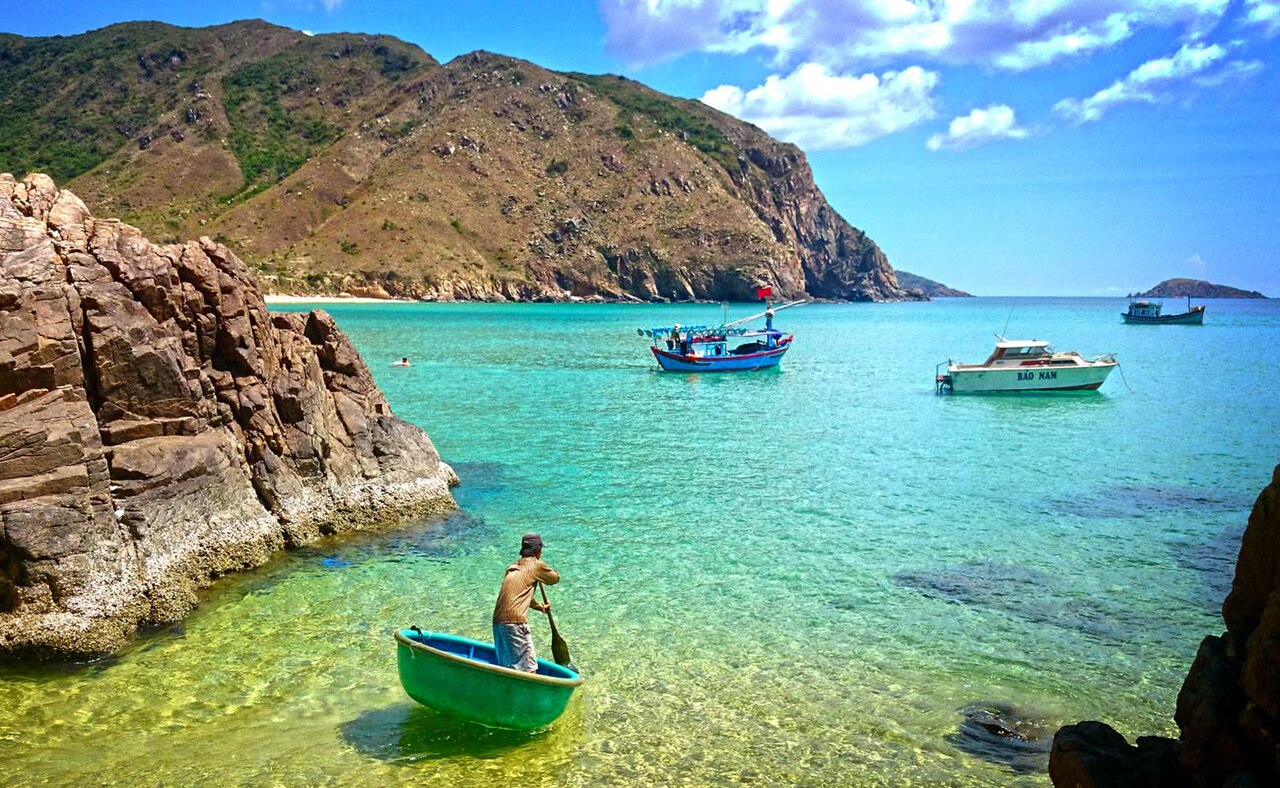
Transport Comparison: Nha Trang to Quy Nhon
| Transport Mode | Travel Time | One-Way Fare (VND / USD) | Departure Point | Key Advantage |
|---|---|---|---|---|
| Reunification Express Train | 4.0 – 4.5 hours | 165,000 – 440,000 VND ($6.60 – $17.60 USD) | Nha Trang Railway Station (Ga Nha Trang) | Coastal views, legroom, on-board cafe snacks |
| Luxury Limousine Minivan | 4.5 – 5.0 hours | 220,000 – 280,000 VND ($8.80 – $11.20 USD) | City center office or hotel pickup | Reclining leather seats, USB ports, direct drops |
| Standard Express Sleeper Bus | 5.0 – 5.5 hours | 180,000 – 230,000 VND ($7.20 – $9.20 USD) | Nha Trang Central Bus Station | Frequent departures throughout day and night |
| Private Car Transfer | 4.0 hours | 2,200,000 – 2,800,000 VND ($88 – $112 USD) | Direct hotel pickup in Nha Trang | Stops at Dai Lanh Cape and coastal photo lookouts |
1. Coastal Train: Nha Trang to Dieu Tri & Quy Nhon
Traveling by rail remains the most comfortable overland transit method. Daytime trains offer sweeping views of coconut groves, shrimp farms, and turquoise lagoons bordering Phu Yen province. Trains run reliably every day.
Most northbound trains stop at Dieu Tri Station (Ga Diêu Trì), situated roughly 11 kilometers west of downtown Quy Nhon. A metered Mai Linh taxi from Dieu Tri to central Quy Nhon or Bai Xep fishing village costs 140,000 to 180,000 VND ($5.60 – $7.20 USD). However, regional train SQN2 and select seasonal carriages run all the way into downtown Quy Nhon Station (Ga Quy Nhơn). Book tickets on the official Vietnam Railways portal (dsvn.vn) 3 to 7 days ahead during summer peak weekends.
2. Shared Limousine Vans: Door-to-Door Ease
Modern 9-seat and 11-seat limousine vans provide direct travel without requiring a taxi from Dieu Tri. Operators like Cuc Tung Limousine, Thuan Thao, and Cat Thien Hai run multiple departures each morning and afternoon.
Vans feature plush reclining massage chairs, high-speed charging outlets, and personal air-conditioning vents. Tickets cost between 220,000 and 280,000 VND ($8.80 – $11.20 USD) per passenger. Travel time averages 4.5 hours depending on road traffic along National Route QL1A. Passengers can arrange pickup at central Nha Trang accommodations and request drop-off at central hotels or along the coastal highway near Bai Xep.
3. Private Vehicle Transfers via Scenic Highway QL1D
Hiring a private sedan or 7-seater SUV gives travelers maximum autonomy. Rather than racing straight along inland highway bypasses, private drivers can steer onto scenic coastal route QL1D, curving above isolated rocky beaches and fishing settlements.
Along the 215-kilometer journey, you can pause at Dai Lanh Cape (Mũi Đại Lãnh)—the easternmost point of mainland Vietnam with its historic 1890 lighthouse—or enjoy a fresh seafood lunch at O Loan Lagoon in Phu Yen. Private one-way car rentals cost 2,200,000 to 2,800,000 VND ($88 – $112 USD), covering fuel, highway tolls, and driver fees.
Terminal Boarding Protocol & Electronic Ticketing
Modern transit networks across Vietnam operate predominantly on paperless verification. Knowing the boarding routine prevents confusion at crowded transport hubs:
- Digital QR Code Check-in: Vietnam Railways (dsvn.vn) and major intercity coach operators (FUTA Bus Lines, Interbus, Hai Van) issue digital boarding vouchers directly to your smartphone. You do not need to print physical boarding passes. Present the PDF confirmation or SMS reservation code alongside your original passport at platform ticket barriers 20 to 30 minutes before departure.
- Luggage Allowances & Cargo Handling: Standard express limousine vans allocate space for one 20kg checked suitcase plus a small daypack per passenger inside rear cargo compartments. Vietnam Railways permits up to 20kg of personal luggage per ticket without surcharge. High-speed ferries to Con Dao and Phu Quoc enforce a 15kg carry-on limit, with oversized diving duffels requiring a nominal excess baggage fee of 30,000–50,000 VND at pier scales.
- Highway Rest Stop Realities (Trạm Dừng Chân): Overland coach journeys exceeding 3 hours schedule mandatory 20-minute rest breaks at commercial highway complexes (such as those along Expressways CT01 and CT02). These facilities feature clean Western-style restrooms, hot food noodle stalls (phở, bánh mì), and convenience marts. Note your bus license plate number carefully, as dozens of identical green or red coaches park simultaneously in busy transit lots.
- Arrival Station Scam Prevention: When disembarking at provincial railway terminals or bus plazas, bypass aggressive freelance drivers who crowd exit doors whispering flat rates. Proceed directly to marked taxi pickup bays to hire metered Mai Linh cabs, or book via ride-hailing applications (Grab, Be) where fares and routes remain digitally locked.
Vehicle Class & Operator Comparison (2026 Fleet Standards)
Choosing between competing transit categories determines your journey comfort and travel duration. Review how different fleet options compare across major routes:
| Vehicle Category | Capacity & Layout | Onboard Amenities | Optimal Traveler Match |
|---|---|---|---|
| Luxury Limousine Van | 9–11 reclining leather aircraft-style seats | High-speed USB-C charging ports, reading lamps, cold mineral water, bottled towels, express highway routing. | Couples, solo travelers, and business passengers seeking swift transit without intermediate local stops. |
| VIP Cabin Sleeper Bus | 20–24 enclosed individual privacy pods | Full flat-bed recline, privacy curtains, individual entertainment screens, personal USB ports, onboard WiFi. | Budget travelers taking overnight trunk routes wishing to save the cost of a hotel night. |
| Reunification Express (Soft Berth) | 4-berth air-conditioned lockable compartments | Standard 220V electrical sockets, clean reading lights, fresh linens, shared corridor restrooms, hot water dispensers. | Families and slow travelers prioritizing safety, scenic daylight landscapes, and unhurried rail romance. |
| Private Transfer Sedan | 4–7 passenger private vehicle with licensed chauffeur | Direct hotel-to-hotel door service, flexible departure schedules, on-demand photography stops along scenic mountain passes. | Small groups and families with young children or extensive luggage demanding door-to-door convenience. |
Transit Booking Windows & Holiday Peak Fares
Fare pricing and seat availability fluctuate significantly around national public holidays. Following these timing rules guarantees confirmed reservations:
- Standard Advance Reservation Windows: Regular weekend departures should be reserved 3 to 7 days ahead through reputable digital platforms (such as 12Go Asia or Vexere). For standard mid-week journeys outside holiday cycles, reserving 24 to 48 hours in advance provides ample seat selection.
- Tet Holiday & Peak National Festivities: During the Lunar New Year (Tet Nguyen Dan, occurring in late January or February) and Reunification Day week (April 30 – May 1), rail tickets open 60 days in advance and sell out within hours. Intercity coach companies apply legal holiday surcharges of 30% to 50% to cover empty return legs. Book your transportation before locking in non-refundable hotel stays during these peak dates.
- Child Fares & Family Policies: Vietnam Railways offers free travel for children under 6 years old sharing a berth with an adult; children aged 6 to 10 receive a 25% discount on passenger tickets. On luxury limousine vans, children occupying their own leather seat pay full adult fare regardless of age. High-speed boat services provide discounted youth tickets for children measuring under 1.2 meters in height.
Frequently Asked Questions
Should I disembark at Dieu Tri Station or Quy Nhon Station?
Dieu Tri is the main junction on the North-South railway trunk line with over 8 express trains daily. Quy Nhon branch station receives only 1 to 2 daily slow trains. Disembarking at Dieu Tri and taking a 15-minute taxi into town is usually faster and offers far better schedule flexibility.
Can I stop halfway in Phu Yen (Tuy Hoa)?
Yes. The coastal town of Tuy Hoa sits midway between Nha Trang and Quy Nhon (120 km north of Nha Trang). You can break your journey here to admire the Ganh Da Dia basalt rock formations and Nhan Cham Tower before continuing north.
Is riding a rental motorbike between Nha Trang and Quy Nhon recommended?
Only experienced riders should attempt this 215-kilometer trip. While coastal stretches near Song Cau and Vung Ro Bay are scenic, long sections of National Route QL1A carry heavy freight trucks and container traffic. Expect 5 to 6 hours of saddle time.
Continue planning:
- Where to Stay in Quy Nhon: City beach hotels vs Bai Xep fishing village homestays.
- Quy Nhon to Nha Trang Transport: Southbound trains, limousine vans, and Highway 1D options.
- Hotel guide for Phan Rang: Cham architecture lodges and Ninh Chu beach hotels.
- Quy Nhon Travel Guide: Ky Co beach, Eo Gio cliffs, and Twin Cham towers.
- Lodging options inCam Ranh: Bai Dai luxury beach resorts near the airport.
- Accommodation inn Nha Trang: Beachfront luxury resorts and downtown boutique hotels.
- Da Nang to Quy Nhon Transport: Trains, sleeper buses, and Vietage luxury rail.
- Hoi An to Quy Nhon Transport: Connecting ancient Faifo to Quy Nhon via sleeper bus or train.
<
Connected Destinations along the Coastal & Island Sanctuaries
Continue your Vietnam route seamlessly with verified transit times and natural regional connections.
Phu Quoc Tropical Island
Powder-white beaches, sunset cocktails, night market seafood, and seaside luxury.
Con Dao Protected Archipelago
Pristine marine national park, green sea turtle nesting grounds, and secluded serenity.
Quy Nhon Turquoise Coast
Uncrowded sandy bays, fresh seaside fishing shacks, and ancient Cham cliff towers.