Where to Stay in Mui Ne: Beach Resorts & Coast Areas
Choosing where to stay in Mui Ne dictates your entire experience along this 15-kilometer stretch of coastline in southern Vietnam. Unlike compact towns, Mui Ne is essentially one long seaside road (Nguyen Dinh Chieu and Huynh Thuc Khang) running west to east, transitioning from upscale tropical garden resorts to lively backpacker strips, local fishing piers, and remote dunes.
The Concierge Verdict
For most travelers, Western Ham Tien (the western half of Nguyen Dinh Chieu) is the premier base. It offers the widest sandy beach areas, direct oceanfront resort access, tranquil coconut palm gardens, and easy walking distance to quality independent cafes and seafood restaurants. Budget travelers and kitesurfers should focus on Central Ham Tien for affordable hostels and surf centers, while travelers seeking raw coastal character will appreciate small boutique stays near Mui Ne fishing village.
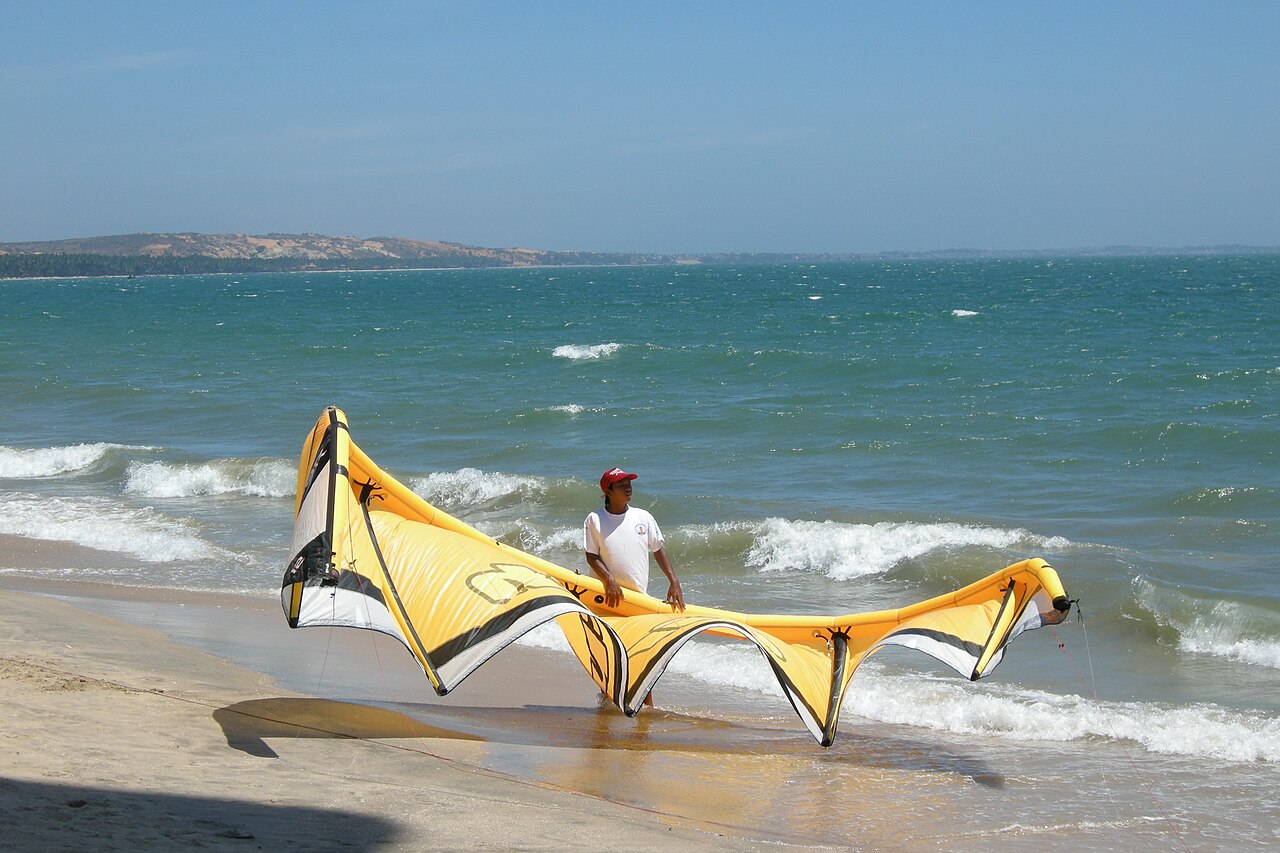
Mui Ne Neighborhood Comparison
| Area / Neighborhood | Best For | Price Range (VND / Night) | Beach Quality | Vibe & Atmosphere |
|---|---|---|---|---|
| Western Ham Tien | Luxury Resorts / Couples | 1,800,000 – 5,500,000 VND | Wide, clean golden sand | Peaceful, lush gardens, private |
| Central Ham Tien | Kitesurfers / Budget Stays | 400,000 – 1,200,000 VND | Narrow / Variable with tides | Lively, cafes, surf centers |
| Eastern Ham Tien (Bo Ke) | Seafood Lovers / Groups | 600,000 – 1,600,000 VND | Seawall / Rocky breakwaters | Bustling evening food market |
| Mui Ne Village & Bay | Local Culture / Photographers | 500,000 – 1,500,000 VND | Fishing harbor views | Authentic, traditional, quiet |
| Phu Hai Beach | Golf & Secluded Luxury | 2,500,000 – 7,000,000 VND | Private sandy coves | Exclusive, isolated, resort-focused |
1. Western Ham Tien: Best Overall Beach & Garden Resorts
Western Ham Tien encompasses the first 5 kilometers of Nguyen Dinh Chieu street, beginning near the Phan Thiet border. This section escaped the severe coastal erosion that affected eastern stretches, leaving a generous, sloping golden sand beach protected by groves of swaying coconut palms.
Properties here are established, low-rise garden sanctuaries such as Mia Resort Mui Ne (Sailing Club Resort), Victoria Phan Thiet, and Cham Villas. Room prices range from 1,800,000 to 5,000,000 VND per night. The street side features boutique international eateries, Italian gelaterias, and massage parlors. These options provide convenience without intrusive bar noise.
2. Central Ham Tien: Best for Kitesurfing & Budget Travel
As you move east along Nguyen Dinh Chieu, the concentration of kitesurfing schools, surf shops, hostels, and casual burger joints increases. This is the social hub of Mui Ne, popular with solo backpackers, digital nomads, and water sports enthusiasts.
Accommodation options range from sociable beachfront dorms and fan-cooled guesthouses (250,000 to 500,000 VND) to mid-range beachfront hotels with swimming pools (700,000 to 1,400,000 VND). Be aware that during high winter tides (December to February), sea waves can reach the resort retaining walls, limiting dry beach space during peak afternoon hours.
3. Eastern Ham Tien & Bo Ke: Best for Dining & Nightlife
The eastern end of Nguyen Dinh Chieu transitions into the famous Bo Ke seafood strip. Here, the sandy beach has largely been replaced by stone seawalls where dozens of open-air restaurants line the water, displaying live aquariums filled with crabs, lobsters, scallops, and groupers.
Hotels here are mostly mid-tier motels and budget complexes charging 500,000 to 1,000,000 VND nightly. While you sacrifice sandy beach sunbathing directly outside your door, you are steps away from the freshest, cheapest seafood dinners in Binh Thuan province.
4. Mui Ne Town & Harbor: Best for Local Life
Beyond the headland past Fairy Stream lies Mui Ne town itself, centered on Huynh Thuc Khang street. This is a working Vietnamese fishing port rather than an international tourist resort enclave.
Small boutique homestays and family guesthouses offer peaceful rooms for 400,000 to 900,000 VND. Staying here puts you within walking distance of the morning fish market, traditional fish sauce (nuoc mam) production facilities, and the Red Sand Dunes.
5. Phu Hai Beach: Best for Secluded Luxury
Located west of the main Ham Tien strip, between Phan Thiet city and Mui Ne, Phu Hai features private rocky coves and cliff-hugged sandy bays. This area is home to sprawling luxury compounds like The Cliff Resort & Residences, Sea Links Beach Resort (featuring an 18-hole championship golf course), and Anantara Mui Ne Resort.
Rates average 2,500,000 to 6,500,000 VND per night. While private and quiet with exceptional infinity pools, dining outside the resort requires a 10-minute taxi ride into Ham Tien.
Arrival Logistics & Transport Navigation
Arriving in Mui Ne & Phan Thiet smoothly requires choosing the right transit mode from regional arrival hubs to your accommodation door:
- Railway & Bus Hub Connection: Arriving travelers land at Phan Thiet Railway Station (Ga Phan Thiet) or Muong Man Station, located approximately 18 km east along Nguyen Dinh Chieu coastal strip. Standard meter taxi fares run 220,000–280,000 VND ($9–$11 USD). Always choose metered operators (Mai Linh, Vinasun) or book via ride-hailing apps (Grab, Be) to eliminate fare negotiations.
- Airport Transit Options: The closest air facility is Tan Son Nhat Airport (SGN) in Ho Chi Minh City, located 200 km via Phan Thiet – Dau Giay Expressway (2.5 hours driving time). Reliable door-to-door transit runs 180,000–260,000 VND via luxury limousine van. Many boutique properties arrange pre-booked airport pickups that meet you outside the arrivals hall with personalized name boards.
- Night Bus Terminal Protocols: Long-distance sleeper routes typically terminate at Resort drop-offs along Nguyen Dinh Chieu Street. Early morning arrivals (between 04:30 and 06:00) can leave luggage safely at hotel reception lobbies before daytime check-in opens.
- Local Scam Prevention: Ensure sunrise sand dune jeep tours explicitly state whether quad bike rentals on the white dunes are included in the upfront price.
Base Selection Matrix: Matching Your Travel Style
Different parts of Mui Ne & Phan Thiet cater to contrasting visitor priorities. Review this strategic breakdown to select your optimal neighborhood anchor:
| Traveler Profile | Recommended Base | Key Advantages | Trade-Offs to Consider |
|---|---|---|---|
| First-Time Visitors | Central Downtown / Primary Tourist Corridor | High walkability, dense restaurant choices, effortless tour pickups, bilingual hotel front desks. | Higher street noise levels; room rates carry modest tourist area premiums. |
| Couples & Leisure Seekers | Riverside, Coastal or Heritage Perimeter | Tranquil resort grounds, private balconies, scenic water or garden views, on-site spas. | Short taxi trips (40,000–80,000 VND) required to reach busy evening street food markets. |
| Budget & Solo Backpackers | Local Market Wards & Backpacker Clusters | Affordable dorms and private rooms (200,000–450,000 VND), social cafes, inexpensive laundromats. | Modest room sizes; basic soundproofing during early morning market deliveries. |
| Remote Workers & Slow Travelers | Residential Boutique Enclaves | Stable high-speed optical fiber WiFi (80–120 Mbps), kitchenettes, monthly rental discounts. | Requires renting a 110cc scooter (130,000–180,000 VND/day) for independent daily mobility. |
Check-in Regulations & Guest Protocols (2026 Verification)
Vietnamese lodging operations follow specific administrative and security guidelines. Keeping these practical considerations in mind ensures effortless hotel check-ins:
- Mandatory Police Guest Registration: Vietnamese law requires all licensed accommodation providers (from 5-star properties down to rural homestays) to register foreign guests on the local public security database within 24 hours of arrival. You must present an original valid passport and Vietnam entry visa (or eVisa confirmation document). Reception staff will photocopy or scan your documents and promptly return the physical passport.
- Standard Check-in & Check-out Windows: Standard hotel check-in across Vietnam commences at 14:00, with check-out scheduled between 11:30 and 12:00. If your sleeper train or bus arrives at dawn, most hotels store backpacks in locked luggage rooms free of charge while you explore nearby morning noodle stalls. Guaranteed early check-in before 08:00 typically incurs a 50% day-rate surcharge.
- Deposit Practices & Payment Options: Mid-range and luxury properties routinely request a temporary room key deposit of 500,000–1,000,000 VND ($20–$40 USD) in cash, or place an equivalent temporary hold on an international credit card (Visa, Mastercard). Cash deposits are returned in full during room inspection at check-out. Credit card pre-authorizations release back into your account within 7 to 14 banking days.
- Keycard Electricity Controls & Room Etiquette: Guest rooms utilize electronic keycards for master circuit activation. When leaving your room, air conditioning compressors automatically shut down to comply with national green energy conservation standards. Tap water across Vietnam is non-potable; reputable hotels supply two complimentary 350ml glass bottles of purified water daily or feature filtered water refill dispensers in common corridors.
Frequently Asked Questions
Which part of Mui Ne has the best beach?
Western Ham Tien (addresses from 10 to 60 Nguyen Dinh Chieu) has the widest, cleanest sandy beach with zero seawall barriers and minimal tidal erosion.
Is Mui Ne walkable?
Individual resort clusters in Ham Tien are walkable for dining and coffee. However, exploring between sand dunes, Fairy Stream, and fishing villages requires renting a scooter (150,000 VND daily) or calling local taxis.
How much does a good resort cost in Mui Ne?
A quality 4-star beachfront resort in Western Ham Tien with swimming pools, buffet breakfast, and direct beach access costs between 1,500,000 and 3,000,000 VND ($60 to $120 USD) per night.
Where to go next
- Best Things to Do in Mui Ne: Sand dunes, Fairy Stream, and kitesurfing.
- Phan Rang Hotels: Quiet beach resorts, grape vineyards, and Cham temples.
- Vinh Hy Accommodations: Secluded luxury resorts and bay eco-homestays in Nui Chua National Park.
- Ho Chi Minh City to Mui Ne Transport: Expressway limousines, buses, and trains.
- Da Lat to Mui Ne Transport: Mountain pass minivans and private transfers from the highlands.
- Nha Trang Lodging: Compare high-rise bay resorts with coastal dunes.
- Vietnam Base Choices: Strategic framework for choosing accommodation bases.
Connected Destinations along the Coastal & Island Sanctuaries
Continue your Vietnam route seamlessly with verified transit times and natural regional connections.
Phu Quoc Tropical Island
Powder-white beaches, sunset cocktails, night market seafood, and seaside luxury.
Con Dao Protected Archipelago
Pristine marine national park, green sea turtle nesting grounds, and secluded serenity.
Quy Nhon Turquoise Coast
Uncrowded sandy bays, fresh seaside fishing shacks, and ancient Cham cliff towers.