Reviewed itinerary – Updated September 15, 2026
10 Days in Vietnam
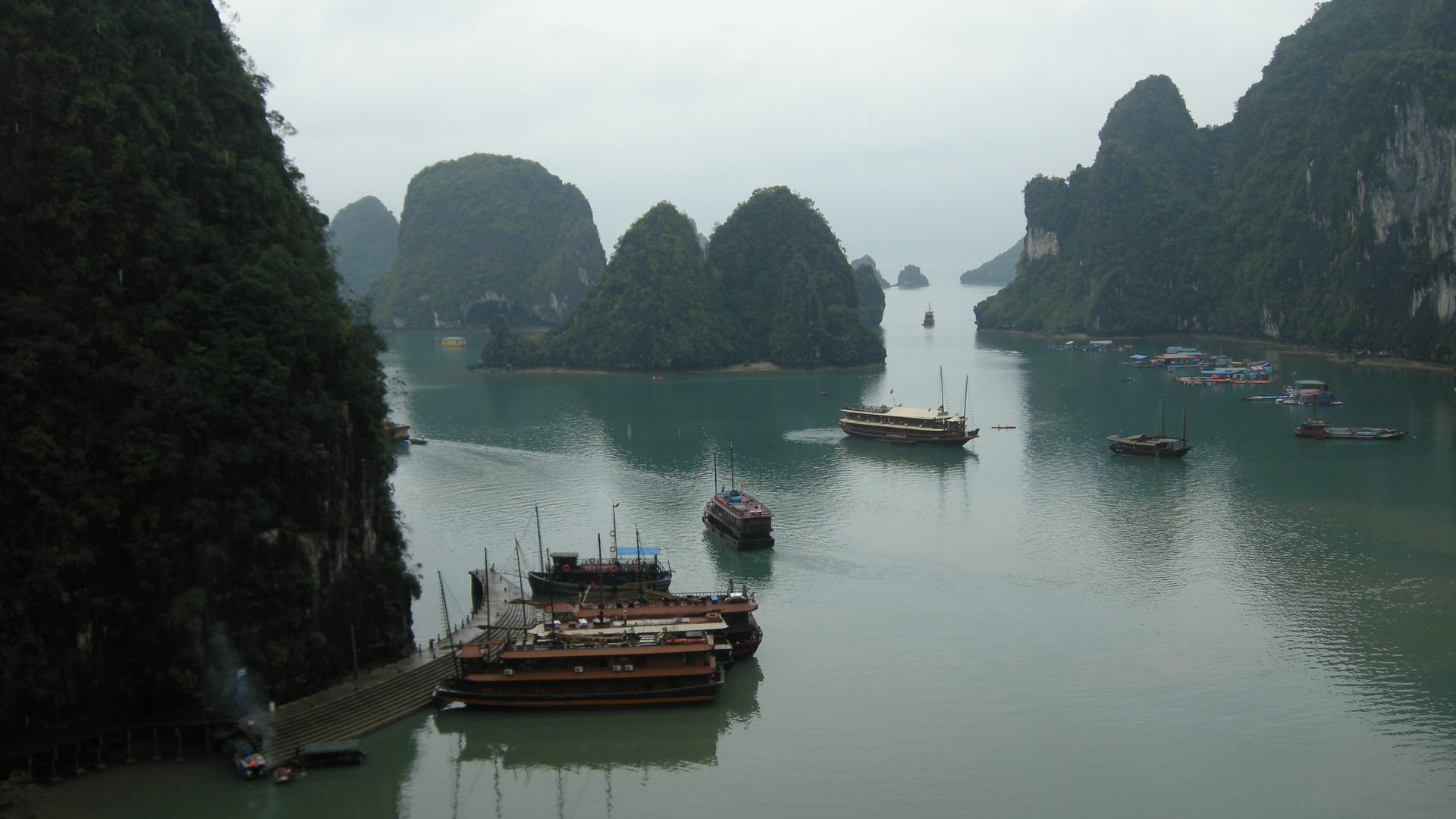
For most first-time visitors, the strongest 10-day Vietnam route is not the one that touches every region. It is a north-plus-central route with Hanoi, Ninh Binh, Lan Ha or Ha Long Bay, Hue, Hoi An, and a Da Nang departure if flights allow.
Field note: in ten days, remove one famous stop before you add one difficult transfer.
Concierge verdict
Use ten days to travel well through two regions, not thinly through three. The best default is Hanoi, Ninh Binh, one bay night, Hue, Hoi An, and Da Nang. Add Ho Chi Minh City only when your flights make it natural or you are willing to cut Hue, Ninh Binh, or the bay.
- Best for: first-time travelers who want culture, food, scenery, heritage, and a route that still leaves room to breathe.
- Avoid if: your only goal is beach time, nightlife, remote mountains, or ticking off Hanoi, Hue, Hoi An, Ho Chi Minh City, Mekong, Sapa, and a bay cruise in one pass.
- Verify before booking: arrival and departure airports, regional weather, bay cruise logistics, domestic flight timing, rail availability, and hotel cancellation terms for your exact dates.
Route brief
10-day Vietnam itinerary at a glance
⏱️ 10-Day Essential Transit & Admission Costs:
- Hanoi → Ha Long Expressway: 2.5 hours transfer via Hai Phong expressway (shuttle van 200,000–250,000 VND).
- Hanoi → Da Nang Flight: 1.2 hours flight duration (ticket 1,100,000–1,600,000 VND on Vietnam Airlines / Vietjet).
- Da Nang Airport → Hoi An Old Town: 30 km metered taxi (Mai Linh / Vinasun) or GrabCar costs 320,000–380,000 VND ($13–$15 USD).
- Cu Chi Tunnels Entry: 125,000 VND entrance ticket per person (Ben Dinh) or 110,000 VND (Ben Duoc).
- Mekong Delta Day Trip: Expressway bus from Western Bus Station (Ben Xe Mien Tay) to My Tho costs 70,000 VND (1.5 hours).
| Best default route | Hanoi, Ninh Binh, one Lan Ha or Ha Long Bay night, Hue or Hoi An, and a Da Nang departure if flights allow. |
| Airport shape | Arrive in Hanoi and leave from Da Nang for the cleanest north-plus-central route. Use Ho Chi Minh City only when the south is a real priority or your open-jaw flights save time. |
| Night logic | Protect the first Hanoi night, one countryside or bay logistics night, one hard transfer day, and at least one slower central Vietnam day. |
| Cut first | Remove Mekong, Phu Quoc, Sapa, Ha Giang, or the weaker of Hue/Ninh Binh before compressing every morning. |
| Do not use this route if | Your main goal is southern Vietnam, beaches, nightlife, remote mountains, or a low-movement family holiday. Choose a focused route instead. |
Ten days by chapter, not by map coverage
A good 10-day route should feel like a composed sequence: arrive well in Hanoi, slow down in Ninh Binh, let the bay carry one big landscape moment, then finish in central Vietnam with enough time for Hue, Hoi An, or a calmer version of both.


10-day planning flow
The five decisions that decide whether ten days works
Use this before choosing hotels. It keeps the route from becoming a list of famous names connected by tired transfer days.
- 01Flight shape
Check whether you can arrive Hanoi and leave Da Nang. A clean exit can save more value than adding another stop.
- 02Region count
Choose two strong regions by default. Add the south only when flight logic or personal priority justifies the movement.
- 03Night allocation
Spend nights where they change the trip: arrival recovery, countryside depth, bay logistics, and central Vietnam pace.
- 04Transfer pressure
Name the hardest movement day before booking. In this route, bay return plus central transfer is the stress point.
- 05Cut list
Remove one famous add-on before compressing every morning. The skipped stop is often what saves the trip.
Best default
North plus central
Hanoi, Ninh Binh, one bay night, Hue or Hoi An, and a Da Nang exit. This protects variety without pretending ten days is two weeks.
Most balancedOpen-jaw sampler
North to south
Use this only when flights genuinely save time and Ho Chi Minh City is a real chapter, not a city squeezed onto departure day.
Higher movementCalmer route
Central slow
Da Nang, Hoi An, Hue, countryside, food, and rest. Better for families, couples, and travelers who want fewer hard logistics.
Comfort firstLandscape route
North scenery
Hanoi, Ninh Binh, bay, and one northern extension. Strong when landscapes matter more than a full-country introduction.
Depth over coverageIf the south matters, make it a real chapter
Ho Chi Minh City and the Mekong Delta are not weak choices. They become weak only when they are hidden inside a 10-day route that already needs Hanoi, countryside, bay logistics, and central Vietnam. If southern Vietnam is the reason for the trip, use a north-to-south route and remove something with honesty.


Transfer value
The hard day should earn its place.
In a 10-day route, the most fragile day is usually the handoff: bay return, airport or rail timing, then central Vietnam. Do not hide that pressure inside a beautiful itinerary map. Name it, buffer it, and make the next stop worth the movement.
When the route reaches central Vietnam, the Hue-to-Hoi An transfer can add scenery and context. If weather or fatigue makes it only functional, spend the money on a smoother move and protect the Hoi An day instead.
The route we would choose first
If this is your first Vietnam trip and you have about ten days on the ground, build the trip around two strong regions. North Vietnam gives you Hanoi, countryside, and limestone-bay scenery. Central Vietnam gives you imperial history, Hoi An, coastal food, and an easier final airport if Da Nang flights work for you.
Travelers frequently try tacking on Ho Chi Minh City and the Mekong Delta because both appear prominent in holiday brochures. While each destination offers undeniable cultural worth, a ten-day travel budget simply cannot absorb the cumulative fatigue of extra domestic flights, midday baggage check-ins, and highway transits without exhausting your vacation.
| 10-day route family | Best for | What to keep | What to cut | VietnamGuide verdict |
|---|---|---|---|---|
| Best default: north plus central | First-time visitors who want balance without turning the trip into airport logistics. | Hanoi, Ninh Binh, Lan Ha or Ha Long Bay, Hue, Hoi An, Da Nang departure. | Ho Chi Minh City, Mekong, Sapa, Phu Quoc, and any extra one-night city stop. | The cleanest first itinerary for most international travelers. |
| Classic north-to-south sampler | Travelers with open-jaw flights into Hanoi and out of Ho Chi Minh City, or the reverse. | Hanoi, one bay or countryside module, Hoi An or Hue, Ho Chi Minh City. | Either Ninh Binh, Hue, or the Mekong unless you accept a faster trip. | Works only when flight routing saves time; otherwise it feels thinner than it looks. |
| Central Vietnam slow route | Food, heritage, calmer hotels, beach-adjacent time, and fewer intercity jumps. | Da Nang, Hoi An, Hue, countryside, a flexible beach or spa day. | Northern mountains, bay cruise, and southern add-ons. | Often better for families, couples, and premium travelers who value pace over coverage. |
| North Vietnam scenery route | Travelers who care most about Hanoi, landscapes, food, and cooler northern pacing. | Hanoi, Ninh Binh, Lan Ha or Ha Long Bay, one mountain or countryside extension. | Central and southern Vietnam. | Better than forcing Sapa or Ha Giang into a cross-country trip. |
A practical 10-day Vietnam itinerary
This plan assumes a Hanoi arrival and a Da Nang departure. If you must return to Hanoi for your international flight, keep the final day conservative and do not place a long transfer before a non-refundable departure.
Arrive in Hanoi
Stay central, keep dinner simple, and avoid scheduling a paid tour on arrival night. The first win is arriving safely and sleeping well.
Hanoi food, history, and walking pace
Use this as the main Hanoi day: old streets, a museum or temple, a guided food walk if useful, and enough cafe time to recover from long-haul travel.
Ninh Binh countryside
Stay overnight in Ninh Binh to secure peaceful sunrise boat departures before tourist buses arrive from Hanoi. Limit it to a day trip only when minimizing hotel changes overrides countryside tranquility.
Ninh Binh depth, then position for the bay
Choose one major landscape experience rather than stacking every viewpoint. Travel toward Hanoi or the bay gateway depending on your cruise transfer plan.
Lan Ha or Ha Long Bay overnight
Treat the cruise as a separate logistics module. Check pickup point, transfer inclusions, weather policy, cabin type, and whether the itinerary suits your energy level.
Bay return and central Vietnam transfer
This is the day most itineraries under-plan. Return from the bay, allow road and airport margin, then fly or continue toward Hue or Da Nang without adding sightseeing pressure.
Hue or a slower central landing
Choose Hue if history matters. If you want a calmer route, skip Hue and spend this night in Hoi An or Da Nang instead.
Hai Van Pass to Hoi An
Move to Hoi An by a route that lets the transfer earn its place. Do not turn this into a rushed checklist if weather, traffic, or luggage make it less pleasant.
Hoi An slow day
Use Hoi An for food, tailoring, architecture, countryside, beach-adjacent rest, or a guided context walk. This is the day that keeps the trip from feeling over-engineered.
Depart from Da Nang
Leave enough margin for the airport and avoid placing a must-do tour on departure day. If your flight is late, use Da Nang or Hoi An gently rather than adding a distant excursion.
Season pivots for a 10-day route
Ten days leaves less room to absorb bad routing. Use seasonal guidance to choose the route bias, then verify current forecasts and operator policies before paying for anything that depends on water, mountains, beaches, or tight transfers.
| Planning season | Safer 10-day bias | What to protect | What not to pretend |
|---|---|---|---|
| January-February | North plus central can work, but keep warmer layers for the north and protect holiday flexibility around Tet. | Arrival recovery, bay weather policy, and hotel cancellation terms. | That every restaurant, transfer, or small operator behaves normally around major holidays. |
| March-April | The default north-plus-central route is often at its easiest if flights into Hanoi and out of Da Nang cooperate. | Bay quality, Ninh Binh depth, and a real Hoi An day. | That good weather makes a third region free. |
| May-August | Use slower mornings, better hotel locations, and fewer hard sightseeing stacks because heat and rain can change energy. | Midday rest, private transfer value, and flexible central Vietnam choices. | That a packed itinerary will feel comfortable because the map distances look manageable. |
| September-November | Be more cautious with central-coast exposure; north-heavy or south-shifted routes can be wiser depending on exact dates. | Hoi An/Hue flexibility, bay cancellation terms, and alternate city/countryside days. | That a beach-first central plan is guaranteed in late-year weather. |
| December | A balanced route can work, but pricing, holiday demand, and regional variation matter more than the month label. | Good hotel locations, early reservations where needed, and final-night logistics. | That late-December travel is only a weather question. |
What to skip, swap, or slow down
The quality of a 10-day itinerary usually comes from what you remove. These are the swaps that prevent a strong route from becoming a fragile one.
| Pressure point | Better move | What not to force | Why it improves the trip |
|---|---|---|---|
| You want Ho Chi Minh City too | Use open-jaw flights and remove Hue or Ninh Binh. | Hanoi, Ninh Binh, bay cruise, Hue, Hoi An, Ho Chi Minh City, and Mekong. | The route becomes honest about transfer cost and energy. |
| Central coast weather looks weak | Keep Hanoi, Ninh Binh, and the bay, then choose Hue/Hoi An flexibly or shift south if flights make sense. | A beach-first Hoi An plan in a poor weather window. | The itinerary responds to regional weather instead of pretending Vietnam has one climate. |
| You are traveling with children or older relatives | Make Ninh Binh a day trip or remove Hue, then pay for better transfers. | A new hotel every night. | Shared private transport can be better value than saving money and losing rest. |
| You want a premium trip | Upgrade fewer moments: one excellent guide, one stronger cruise, one better hotel location. | More cities because the budget allows it. | Premium Vietnam often means better timing and fewer dead hours. |
| Budget feels high | Reduce bases, avoid extra domestic flights, and compare rail only where the timing genuinely helps. | Cheap headline fares that add baggage, late transfers, or lost sightseeing time. | A simpler route protects both cost and experience. |
Adapt the route to the traveler, not the map
The same 10-day outline should not be sold to every traveler. A premium couple, a family with children, a solo traveler, and a budget backpacker can all use Vietnam well, but they should not buy the same number of transfers.
| Traveler type | Best route adjustment | Worth spending on | What to remove first |
|---|---|---|---|
| First-time couple | Keep the default route but protect one slower Hoi An or Hanoi night. | A better-located hotel, one food/history guide, and a smoother central transfer. | A rushed third region or a same-day Mekong add-on. |
| Family with children | Use fewer hotel changes; make Ninh Binh a day trip if overnight logistics are too much. | Private transfers, larger rooms, early check-in where possible, and simpler meal locations. | Late-night arrivals, one-night stops, and long days after a cruise return. |
| Older travelers | Choose two or three bases and reduce stairs, heat exposure, and luggage friction. | Door-to-door transfers, better hotel lifts/location, and private context guiding. | DIY transfer chains and tightly timed rail/flight connections. |
| Solo traveler | Keep the route social in Hanoi, Ninh Binh, bay, and Hoi An, but avoid isolated late arrivals. | Safe arrival transport, group food walks, and reputable shared day tours. | Remote add-ons that create lonely transfer evenings. |
| Premium/private trip | Use the same route shape, but make fewer moments deeper rather than adding more cities. | A stronger bay cruise, private heritage guide, and boutique hotels in walkable locations. | Extra flights added only because the budget allows them. |
| Budget traveler | Reduce bases and compare train/bus timing only after adding door-to-door reality. | One high-value landscape experience and safe arrival transport. | Cheap flights that become expensive after bags, taxis, and lost time. |
Prebook, live-check, or keep flexible?
A 10-day itinerary is short enough that one weak booking can distort the whole route. Prebook the pieces that protect the spine, live-check anything volatile, and keep ordinary city time flexible.
| Decision | Prebook when… | Live-check close to travel when… | Keep flexible when… |
|---|---|---|---|
| Entry and first hotel | International arrival is late, family rooms matter, or the first night anchors the route. | Visa processing, flight time, or airport transfer assumptions change. | You already have a refundable first night and no same-night onward travel. |
| Bay cruise | Cabin type, operator quality, transfer inclusions, or group size matter. | Weather, port logistics, and cancellation terms could change the value. | A day trip or Ninh Binh depth would satisfy the landscape goal if conditions weaken. |
| Ninh Binh | You want an overnight countryside base or a private transfer chain linked to the bay. | Rain, heat, or arrival fatigue could make a full outdoor day less valuable. | A day trip is enough and hotel changes are already high. |
| Central transfer | The route depends on a specific flight, train, or Hue-to-Hoi An private car. | Baggage, airport time, rail seats, or road weather could erase the convenient option. | Hue and Hoi An order can change without hurting hotels. |
| Guides and experiences | A guide changes the trip: food, heritage, craft, photography, or family logistics. | Weather or opening hours could make the plan less useful. | The city is strong enough for self-guided wandering and meals. |
Short answers for common 10-day mistakes
These are the decisions that usually separate a satisfying 10-day Vietnam route from a trip that only looks complete on paper.
Should I include Ho Chi Minh City in ten days?
Only if your flights make the north-to-south line efficient or southern Vietnam is a genuine priority. If Ho Chi Minh City is just there because every route map includes it, cut it and make the north-plus-central route better.
Is Ninh Binh or a bay cruise more important?
For most first trips, keep both if you can protect the timing: Ninh Binh gives countryside depth, while the bay gives the headline landscape moment. If you must cut one, cut the one that creates the weaker logistics on your exact dates.
Should Hue be kept or skipped?
Keep Hue when heritage, food, and a more meaningful central chapter matter. Skip it when the route is already tight, the family pace is slower, or Hoi An needs the protected day more.
What live checks matter most before paying?
Check e-visa/entry status, regional weather, bay cruise transfer terms, domestic flight or rail times, hotel cancellation terms, and whether Da Nang departure really saves time.
Booking sequence for ten days
Book in this order so the route does not get trapped by one attractive hotel, cheap domestic fare, or cruise date that makes the rest of the trip worse.
- Confirm entry permission and passport details first; use the Vietnam E-Visa guide before paying for non-refundable travel.
- Choose the route family: default north plus central, open-jaw north-to-south, central slow route, or north scenery route.
- Check the month against the Best Time guide, then decide whether central Vietnam, the bay, or the south needs more flexibility.
- Lock international flights only after checking whether Hanoi arrival and Da Nang departure save a real day.
- Hold the first two nights, the bay/countryside sequence, and the final departure base before filling optional experiences.
- Price the route with the Vietnam Travel Cost guide before upgrading hotels or adding a third region.
- Re-run the audit below before making the trip non-refundable.
The 10-day planning audit
If an itinerary fails two or more lines in this audit, cut a stop before you spend more money trying to make it work.
| Audit line | Healthy answer | Warning sign | Best correction |
|---|---|---|---|
| First night | Central Hanoi hotel, simple dinner, no paid arrival-night tour. | Late arrival plus an early countryside transfer. | Add Hanoi recovery or move Ninh Binh later. |
| Region count | Two strong regions by default. | North, central, south, Mekong, and beach all included. | Choose the route family again and remove the weakest chapter. |
| Bay/countryside logic | Ninh Binh and bay both have a clear job, or one is intentionally cut. | Both are included but neither gets enough time. | Keep the one that better fits weather, budget, and transfer order. |
| Hardest transfer | The bay-return or central-transfer day has buffer and no fragile sightseeing. | Cruise return, flight, hotel change, and a must-do tour on one day. | Remove the tour or add a night before central Vietnam. |
| Final day | Departure base is close enough to the airport with a conservative plan. | A distant excursion before an international flight. | Use Da Nang/Hoi An gently or depart the next morning. |
| Budget reality | Flights, trains, cars, cruise, guides, visa/admin, and buffer are listed separately. | Everything is hidden inside a daily average. | Use line items and remove the costliest weak movement. |
Before-booking checks
Use this list before paying for non-refundable hotels, domestic transport, or a bay cruise. The guide is built as a planning framework, not a promise that every route detail will stay available on your dates.
- Confirm your entry rules and passport details before locking the route.
- Check whether open-jaw flights into Hanoi and out of Da Nang or Ho Chi Minh City save a full travel day.
- Price the route as land-only first, then compare with the Vietnam Travel Cost guide.
- Verify regional weather separately with the Best Time guide; northern, central, and southern Vietnam can behave differently.
- Check bay cruise transfer inclusions, cancellation rules, port logistics, and weather policy.
- Compare domestic flight timing with rail only after adding door-to-door transfer time, baggage, and hotel check-in reality.
- Keep at least one flexible half-day before international departure or any high-value guided experience.
How to connect this with the rest of VietnamGuide
Use the Itineraries hub if you are choosing between 7, 10, 14, and slower routes, or compare our curated overview of the best Vietnam routes for first-time visitors. Use Compare when you are deciding whether two similar places both deserve space. Use the Plan hub for entry, timing, safety, and logistics checks before the route becomes final.
Connected Destinations along the Classic Vietnam Grand Route
Continue your Vietnam route seamlessly with verified transit times and natural regional connections.
Hanoi & Northern Karsts
Begin in Hanoi with Old Quarter food alleys before cruising Ha Long Bay and cycling Ninh Binh.
Central Heritage Corridor
Immerse in lantern-lit Hoi An, imperial palaces in Hue, and sandy beaches in Da Nang.
Southern Riverine Route
Experience Saigon's energy, historic Cu Chi tunnels, and sampan waterways in the Mekong Delta.