Reviewed pillar guide – Updated September 15, 2026
Vietnam Travel Guide
A strong Vietnam trip is planned in the right order: entry rules, regional season, route length, budget, money, connectivity, health, transfers, then bookings. This guide is the long-term starting point for international visitors who want fewer rushed decisions and more practical confidence.
Field note: Vietnam gets easier when you stop asking what to see first and start asking what must be true for the trip to work.
Concierge verdict
Plan Vietnam as a sequence of constraints, not a list of famous places. For most first trips, confirm entry permission, choose the right weather window for your route, keep the trip to two strong regions if time is short, price the route honestly, and leave transfer buffer before high-value experiences.
- Best for: first-time visitors, couples, families, and premium travelers who want a clean planning order before comparing destinations.
- Avoid if: you are already solving a narrow question such as one city, one border gate, or one hotel area.
- Verify before booking: entry rules, regional weather, route length, money logistics, domestic transport, hotel cancellation terms, and the realistic cost of every intercity move.
Vietnam by chapter, not by checklist
A strong first trip treats Vietnam as chapters with different jobs. Hanoi and the north set context and landscape, central Vietnam slows the middle with food and heritage, and Ho Chi Minh City only earns its place when the south becomes a real chapter rather than a rushed exit.


Transfer value
Some transfers are part of the experience. Most are just pressure.
Before adding a stop, ask whether the movement creates meaning: a scenic pass, a better flight path, a calmer hotel base, or a stronger cultural chapter. If it only adds another check-in, the route is paying time for a name.
Premium Vietnam planning usually means fewer weak moves, not more expensive ones. A private transfer, domestic flight, cruise pickup, or train only earns its place when it protects the experience around it.
Planning flow
The five decisions that make the rest easier
Use this sequence before comparing hotels, tours, or day-by-day details. Each step removes a different kind of planning noise.
- 01Entry
Confirm visa route, passport details, arrival/departure logic, and border assumptions before money hardens.
- 02Season
Match the month to the regions you will actually visit, especially beaches, mountains, cruises, and central Vietnam rain risk.
- 03Length
Decide how many regions your nights can support. Ten days and fourteen days are different route problems.
- 04Cost
Price the route by movement, comfort, cruise/tour choices, peak dates, and buffer, not a single daily average.
- 05Trade-offs
Choose what to skip. Vietnam rewards one strong middle chapter more than an impressive-looking map.
Plan in this order
Use our actionable Vietnam first trip planning checklist, alongside our airport arrival checklist and food safety guide, to verify each step systematically. Most weak Vietnam itineraries fail because the planning order is wrong. Travelers start with a famous route, then discover the visa, weather, flight routing, or transfer time does not support it. Use this order instead.
🇻🇳 2026 Master Countrywide Practical Data & Statutory Basics:
- Visa Entry Law: Resolution 128/NQ-CP exempts 13 countries for 45 days; 90-day multiple-entry e-visa costs $25 USD via official portal xuatnhapcanh.gov.vn.
- Emergency Hotlines Nationwide: Police 113; Fire Rescue 114; Medical Ambulance 115; Vietnam Tourism Administration 1900.6868.
- Currency & Banking: Vietnamese Dong (VND); official exchange rate ~25,400 VND per $1 USD; card payments accepted at hotels and major restaurants with 2.5–3.0% bank surcharge; carry cash for street stalls and rural passes.
- Domestic Transport Network: Reunified Railway operated by DSVN (dsvn.vn); bus aggregators Vexere.com; ride-hailing apps Grab and Be.
| Planning step | Decision to make | Why it comes first | Best next guide |
|---|---|---|---|
| 1. Entry rules | Confirm whether you need an e-visa, visa exemption, or another entry route. | Entry permission controls flight timing, border choice, and booking risk. | Vietnam E-Visa guide |
| 2. Season and route climate | Match the route to the month, not the country to one weather claim. | Northern, central, and southern Vietnam can behave differently in the same month. | Best Time guide |
| 3. Route length | Choose how many regions you can travel well. | Too many bases turn the trip into check-ins, airports, and recovery time. | 10 Days in Vietnam |
| 4. Budget shape | Price the route as land-only before comparing hotels or tours. | Route, comfort, season, and transfer choices move the budget more than one daily number. | Vietnam Travel Cost |
| 5. Destination trade-offs | Decide what to skip before adding more places. | Vietnam rewards focus. Similar stops often compete for the same energy and weather window. | Compare routes and destinations |
Decision map for first-time visitors
This map keeps the guide useful over time. It does not pretend one route fits everyone; it shows which decision changes the rest of the plan.
| If your priority is… | Start here | Watch out for | VietnamGuide direction |
|---|---|---|---|
| A first trip that feels complete | Hanoi, Ninh Binh, a bay cruise, Hue or Hoi An, and Da Nang departure if flights allow. | Adding Ho Chi Minh City and Mekong without enough days. | Use the 10-day north-plus-central route as the baseline, then add only if you have time. |
| Food and heritage | Hanoi, Hue, Hoi An, and central Vietnam countryside. | Treating beach weather as guaranteed. | Favor fewer bases and better context walks or guides. |
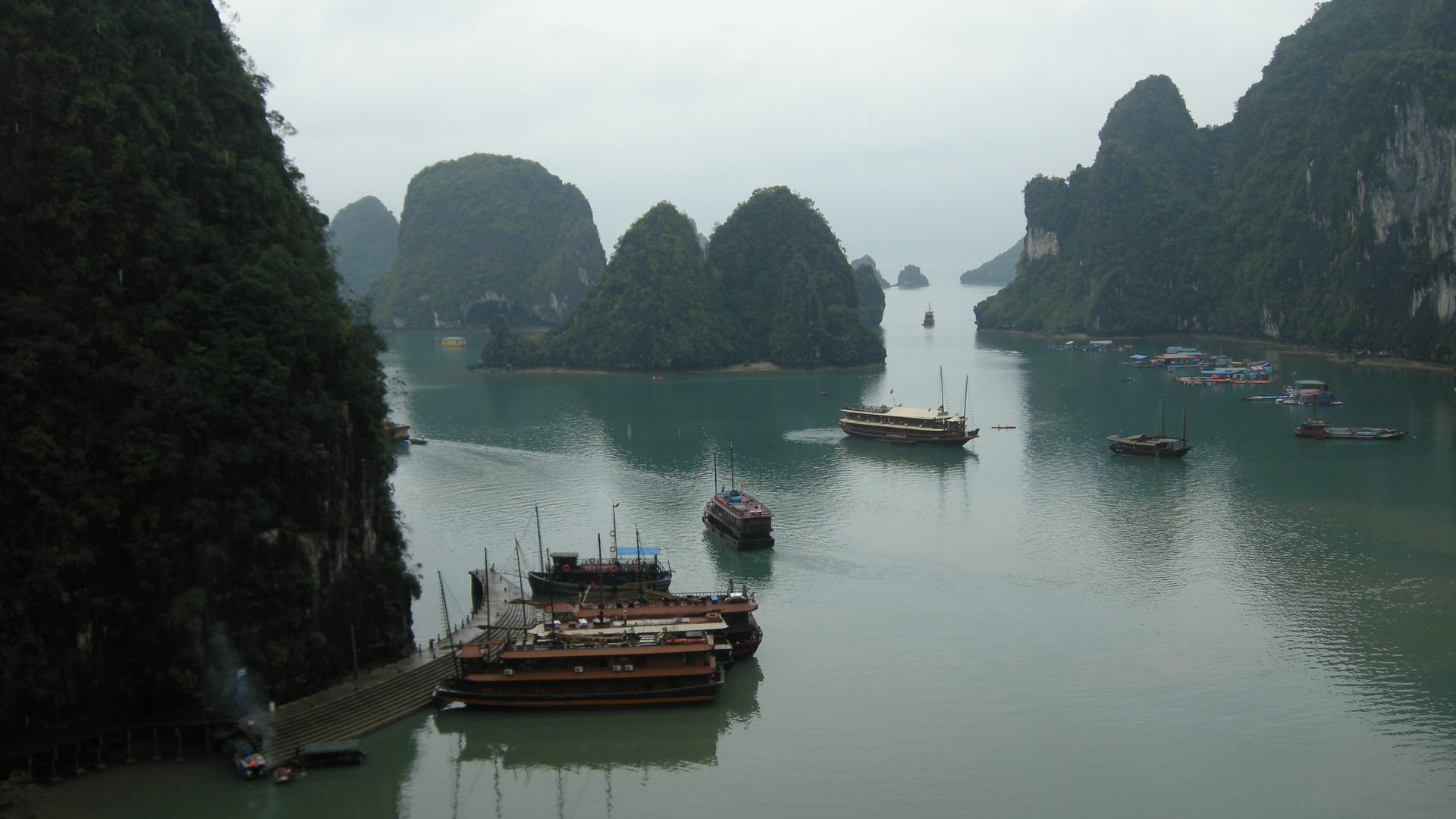
| Landscapes | Northern Vietnam first: Hanoi, Ninh Binh, Lan Ha or Ha Long Bay, and one mountain/countryside extension if time allows. | Forcing remote mountains into a cross-country itinerary. | Keep the trip north-focused or add central Vietnam only with enough days. |
| A premium trip | Better hotel locations, stronger guides, fewer transfers, and one excellent cruise or cultural experience. | Using budget to add more cities instead of improving timing. | Premium Vietnam usually means fewer dead hours, not more stops. |
| Family or lower-stress travel | Da Nang, Hoi An, Hue, and one northern or southern extension only if transfers are comfortable. | A new hotel every night. | Reduce bases, pay for easier transfers, and keep one flexible half-day before departure. |
What stays useful, what must be checked live
The safest evergreen Vietnam advice separates durable planning logic from details that change. This page gives the durable logic. For live rules, prices, routes, and alerts, use official sources before money is committed.
| Planning area | Long-term signal | Live source habit | Booking risk if skipped |
|---|---|---|---|
| Regions and weather | Vietnam should be planned by northern, central, and southern conditions, not one national weather sentence. | Use Vietnam.travel for official climate context and live forecasts or warnings when weather affects the route. | Beach, mountain, cruise, and transfer days can fail for different reasons in the same month. |
| Visa and entry | Entry rules come before flights, route shape, and non-refundable hotels. | Start with the official e-visa system at evisa.gov.vn or thithucdientu.gov.vn, then cross-check the detailed e-visa guide. | A small passport, date, entry-type, or border-gate mismatch can disrupt the whole trip. |
| Money and payments | Vietnam uses Vietnamese dong, and cash remains useful for small local purchases even when cards work in larger businesses. | Avoid fixed exchange-rate shortcuts; check current card, ATM, fee, and cash needs close to departure. For currency basics, use the State Bank of Vietnam and Vietnam.travel payment guidance. | A route that looks cheap can become stressful if cash, card acceptance, and local transport are not planned. |
| Trains and intercity movement | Vietnam rewards realistic transfer time more than ambitious city counting. | For rail decisions, verify trains through Vietnam Railways and dsvn.vn instead of copying old schedules or prices. | One optimistic train, flight, or road transfer can damage a short itinerary. |
| Safety and health | Most first-time risks are practical: petty theft, heat, mosquitoes, traffic, food and water illness, and weak medical preparation. | Use official health and safety guidance, travel insurance terms, and current weather or route alerts. Save local emergency numbers and hotel contacts offline. | Small preventable issues can consume the buffer that should protect high-value days. |
Route lenses that stay useful
Vietnam changes by season, flight market, and traveler style, but these route lenses hold up. Pick one lens before you open hotel tabs.
Default first trip
North plus central
Best when the route needs Hanoi, Ninh Binh, bay scenery, Hue or Hoi An, and a clean departure without chasing every region.
Protects paceFull-country arc
North to south sampler
Best with open-jaw flights and enough nights for Ho Chi Minh City to become a southern chapter rather than a late add-on.
Costs more movementComfort route
Central slow route
Best for food, heritage, families, couples, and travelers who would rather improve the middle than collect more airport time.
Buys calmLandscape route
North scenery route
Best when limestone, rice valleys, cooler mountain air, and countryside stays matter more than seeing the whole country.
Chooses depth| Route lens | Best for | Core trade-off | Use it when |
|---|---|---|---|
| North plus central | Most first-time visitors with 9-12 days. | Skips the south to protect pacing. | You want Hanoi, countryside, bay scenery, Hue or Hoi An, and a cleaner departure. |
| North-to-south sampler | Open-jaw flights and travelers who accept a faster trip. | More airport and transfer time. | Flights into Hanoi and out of Ho Chi Minh City save a real day. |
| Central Vietnam slow route | Food, heritage, families, couples, and calmer hotels. | Less dramatic northern scenery. | You value pace, comfort, and fewer weather/transfer surprises. |
| North scenery route | Landscape-first travelers. | Cuts central and southern Vietnam. | You prefer depth over seeing the whole country in one trip. |
Official checks before committing money
This is the anti-spam discipline behind the guide: do not trust a page because it sounds fluent. Trust the planning chain only when it points you to the right source at the right moment.
- Entry: verify the current official e-visa domain, application status, entry type, and border gate before paying for tight flights or hotels.
- Weather: check the region and route month, then use live warnings when cruises, ferries, mountains, beaches, or road transfers matter.
- Money: plan around Vietnamese dong, realistic cash/card use, ATM access, card fees, and a buffer instead of a copied exchange-rate example.
- Transport: verify domestic flights, trains, airport transfers, and long road moves on official or operator sources close to travel.
- Health and safety: prepare travel insurance, medication, heat and mosquito precautions, and offline contacts before remote or high-value days.
- Public holidays: treat Tet and holiday periods as planning constraints because transport, hotels, and local services can behave differently.
What this guide deliberately does not do
A long-term Vietnam guide should not pretend to be live infrastructure. We avoid copied schedules, fixed exchange-rate examples, complete visa-exemption lists, and universal daily budgets unless they are actively dated and reviewed. The goal is to help you make better decisions, then send you to official or live sources for details that should not be frozen into evergreen prose.
First-trip mistakes worth avoiding
These are the errors that make otherwise good Vietnam plans feel thin, rushed, or strangely expensive.
Should a first Vietnam trip start in the north or south?
Start where your flights, season, and route shape make the trip easiest. For many first-time visitors, Hanoi is the cleaner starting point because northern landscapes and central Vietnam can form a strong first-trip spine. Ho Chi Minh City is a better start when the south is a real chapter, southern weather is the priority, or flight pricing makes the route cleaner.
How many regions should I plan on a first trip?
Travelers with 8–10 full days achieve the cleanest pacing by focusing strictly on two regions. When your schedule allows about two weeks, three regions can work well if flights are open-jaw and hotel changes are disciplined. For visits under a week, choose one single region and explore it thoroughly.
What should I skip when the itinerary is too full?
Cut the stop that adds the most movement for the least contrast. That often means dropping a one-night city, a fragile day trip, a remote mountain add-on, or a southern extension that is only there because it appears on generic lists.
What must be checked live before paying?
Check entry rules, regional weather, domestic flight or train times, cruise transfer terms, hotel cancellation rules, public holiday pressure, and payment/cash logistics. Evergreen advice can structure the decision; live sources should confirm the moving parts.
First-trip checklist
Use this checklist before paying for non-refundable hotels, domestic flights, cruises, private guides, or long transfers.
- Confirm entry rules and passport details before locking flight dates or border crossings.
- Check the month against the exact route, especially if central Vietnam beaches or northern mountains matter.
- Choose a route length before choosing hotels. The number of bases controls the trip more than star rating.
- Price the route land-only: rooms, intercity transport, tours/cruise, food, local transport, visa/admin, and buffer.
- Use official rail, weather, currency, health, airport, and visa sources for live logistics rather than copied forum numbers.
- Leave one flexible half-day before international departure or any high-value guided experience.
- After the route is realistic, use Destinations and Compare to decide what to skip.
How this guide connects the site
Use this page as the starting point. Then use the Vietnam E-Visa guide for entry rules, the Best Time guide for route-season fit, the 10 Days in Vietnam guide for pacing, the Vietnam Travel Cost guide for budget shape, and SIM and eSIM in Vietnam before phone-based arrival logistics matter.
Connected Destinations along the Classic Vietnam Grand Route
Continue your Vietnam route seamlessly with verified transit times and natural regional connections.
Hanoi & Northern Karsts
Begin in Hanoi with Old Quarter food alleys before cruising Ha Long Bay and cycling Ninh Binh.
Central Heritage Corridor
Immerse in lantern-lit Hoi An, imperial palaces in Hue, and sandy beaches in Da Nang.
Southern Riverine Route
Experience Saigon's energy, historic Cu Chi tunnels, and sampan waterways in the Mekong Delta.