Reviewed itinerary – Updated September 15, 2026
21 Days in Vietnam
Three weeks is enough for a graceful Vietnam route if you protect the transfer days. The strongest first-trip plan is not the ten-day route stretched with every famous stop; it is a full-country route with margin, fewer rushed mornings, better weather choices, and one carefully chosen extension.
Field note: spend the extra week on margin and contrast before you spend it on another airport.
Concierge verdict
Most first-time visitors should use 21 days for Hanoi, Ninh Binh, a bay overnight, Hue, Hoi An, Ho Chi Minh City, and one southern or central extension. Choose only one extra module: Mekong, Phong Nha, beach time, mountains, or a slower central stay. The mistake is treating three weeks as permission to add every famous place.
- Best for: international travelers who want a complete first Vietnam route without rushing every morning.
- Avoid if: you prefer one-region depth, remote mountains, beach-heavy travel, or a trip with almost no domestic flights.
- Verify before booking: open-jaw international flights, regional weather, bay cruise transfer policy, rail or flight timing, and the exact number of nights you are willing to change hotels.
Route brief
21-day Vietnam itinerary at a glance
🚆 2026 Trans-Vietnam Rail & Logistics Factsheet:
- Reunification Express Rail (Ga Hanoi to Ga Hue): Train SE1 departs 20:55, arrives 09:05 (12 hrs 10 mins). Official 4-berth soft sleeper fare is 1,050,000–1,250,000 VND via dsvn.vn (book 10–14 days ahead in peak season). Avoid 6-berth hard sleeper for overnight journeys.
- Da Nang to Nha Trang Coastal Rail: Train SE3 departs 11:25, arrives 20:45 (9 hrs 20 mins, 530 km). Soft sleeper ticket is 680,000–790,000 VND; air-conditioned soft seat is 420,000 VND.
- Hoi An Monument Passport: 120,000 VND per person for 5 heritage sites (Japanese Covered Bridge, Phung Hung Old House, Cantonese Assembly Hall).
- Phong Nha Cave Ferry Transfer: 150,000 VND admission + 550,000 VND / 12-seat shared motorized boat from Phong Nha Tourism Center wharf.
- Cai Rang Floating Market Charter: 350,000–450,000 VND per private motorized sampan from Ninh Kieu pier in Can Tho (2.5 hours, 05:00 departure).
- ATM Cash Withdrawal Ceilings: Vietcombank & Agribank cap single withdrawals at 2,000,000–3,000,000 VND (50,000 VND local fee). BIDV and TPBank permit up to 5,000,000 VND per card insertion. Always decline DCC dynamic conversion to save 3.5% in bank markups.
- Emergency & Consular Dispatch: Dial 113 for Police, 115 for Ambulance. SOS International Hanoi: 024.3934.0666; Family Medical Practice HCMC: 028.3822.7848.
| Best default route | Hanoi, Ninh Binh, Ha Long or Lan Ha Bay, Hue, Hoi An or Da Nang, Ho Chi Minh City, and one deliberate extension only if it replaces something else. |
| Airport shape | Arrive in Hanoi and depart from Ho Chi Minh City or Da Nang if the flight pricing and time savings are real. |
| Extension rule | Use the extra week for one meaningful extension: Mekong, Phong Nha, mountains, beach rest, or slower central Vietnam. Not all of them. |
| Cut first | Remove duplicate one-night add-ons, a second scenery module, or a weak final flight day before you start cutting the route’s core. |
| Do not use this route if | You only want one region, one beach base, or a trip with almost no domestic transfers. |


21-day planning flow
The six decisions that keep three weeks from becoming a blur
- 01Flight shape
Check open-jaw arrival and departure before accepting a backtrack across the country.
- 02Route spine
Choose the north-central-south spine first: Hanoi, countryside, bay, central heritage/food, Ho Chi Minh City.
- 03Extension
Select one deliberate extension: Mekong, Phong Nha, mountain scenery, beach rest, or a slower central stay.
- 04Hotel changes
Count every packing morning. If the route has too many one-night stops, it is not premium yet.
- 05Season pressure
Use regional weather to decide where the flexible days belong, especially around central-coast rain windows.
- 06Final buffer
Protect the last 36 hours near the departure city before adding any remote finale.
Choose the right 21-day route family
Best default
Full-country with margin
Hanoi, Ninh Binh, bay, Hue, Hoi An/Da Nang, Ho Chi Minh City, and one deliberate extension.
Most completeMost relaxed
North plus central slow route
Drop the south when comfort, food, landscapes, and fewer airports matter more than national coverage.
Lowest frictionScenery first
North-heavy route
Use the trip for Hanoi, Ninh Binh, bay, and one mountain area, then cut the full-country promise honestly.
Best landscapesWarm-weather pivot
Central and south route
Lead with Da Nang, Hoi An, Hue, Ho Chi Minh City, Mekong, and one beach or city-rest extension.
Best weather pivotThe decision: complete Vietnam or slower Vietnam?
A 21-day Vietnam itinerary has two good shapes. The first is a balanced north-central-south route: Hanoi, countryside, bay, central heritage, Hoi An, Ho Chi Minh City, and one southern add-on. The second is a slower two-region route that drops the south or drops the far north so the trip feels calmer and more place-specific.
Both directions work brilliantly. Deciding whether to start in Hanoi or Ho Chi Minh City hinges on international flight schedules, seasonal weather variations across north and south, and personal tolerance for transfers. Take time for slow meals. A three-week journey should feel like a coherent narrative rather than a breathless sprint across postcard pins.
| 21-day route shape | Best for | Core route | Use the extra time for | VietnamGuide verdict |
|---|---|---|---|---|
| Balanced first-trip route | Travelers who want north, central, and south in one trip without making every day a move day. | Hanoi, Ninh Binh, Ha Long or Lan Ha Bay, Hue, Hoi An, Ho Chi Minh City. | Mekong, one beach rest, or a slower Hoi An/Hue stay. | Best default for most first-time international visitors with open-jaw flights. |
| Slower north plus central route | Couples, families, photographers, food travelers, and anyone who dislikes airports mid-trip. | Hanoi, Ninh Binh, bay, Hue, Da Nang, Hoi An, countryside or beach buffer. | Phong Nha, Hoi An countryside, a better bay cruise, or more recovery time. | Often better than the full-country route when comfort matters more than coverage. |
| North scenery route | Travelers who care most about landscapes, Hanoi, rural stays, and cooler northern pacing. | Hanoi, Ninh Binh, bay, Mai Chau or Pu Luong, Sapa or Ha Giang if logistics fit. | One mountain area, not every mountain area. | Strong for scenery, but not a complete-country introduction. |
| Central and south route | Beach-adjacent travel, food, heritage, warmer weather windows, and easier southern exits. | Da Nang, Hoi An, Hue, Ho Chi Minh City, Mekong, optional beach or city extension. | Con Dao, Phu Quoc, Da Lat, or a slower central coast stay. | Good when northern weather or flight pricing makes the classic route less attractive. |
Night allocation before day planning
Budget your nights carefully before scheduling single days. The simplest secret to a comfortable 21-day trip is eliminating pointless hotel changes; stationary nights reveal whether your journey is a restorative exploration or an exhausting blur.
| Base | Recommended nights | Why this works | When to change it |
|---|---|---|---|
| Hanoi | 2-3 nights | Enough time to recover from arrival, eat well, and understand the north before countryside or bay logistics. | Use 2 nights if you land early and want more central Vietnam; use 3 if long-haul recovery matters. |
| Ninh Binh | 1-2 nights | Overnighting turns the landscape into a calmer stop instead of a traffic-heavy day trip. | Make it a day trip only when luggage, family pace, or hotel changes are the bigger problem. |
| Bay cruise | 1 night | One good overnight usually gives the bay enough weight without letting cruise logistics dominate the route. | Add a second night only for a stronger cabin, route, or rest reason; do not add it just because the bay is famous. |
| Hue | 1-2 nights | Hue is strongest when you give it context, not when it becomes a lunch stop between airports. | Skip or shorten Hue if central heritage is less important than beach time, family rest, or Hoi An depth. |
| Hoi An / Da Nang | 3-4 nights | This is the route’s recovery middle: food, walking, countryside, beach-adjacent time, and flexible weather handling. | Use the fourth night for premium pace or tailoring; move one night south if flights are tight. |
| Ho Chi Minh City | 2 nights | Two nights lets the south be more than a departure airport and keeps one day flexible for city context. | Add a third night only if the Mekong, Cu Chi, food, or city history is a genuine priority. |
| Mekong or final extension | 0-1 night | The final extension should create contrast without endangering departure logistics. | Use 2 nights only if you remove something earlier and avoid a rushed international departure day. |
What the extra week actually buys
The difference between a good 10-day route and a good 21-day route is not seven more pins on the map. The real value is a better start, a stronger middle, and one extension that has enough room to mean something.
| Extra time use | What it improves | Good sign | Bad sign |
|---|---|---|---|
| Arrival recovery | Hanoi feels like a place rather than a staging area. | You can sleep, walk, eat, and still keep the next morning calm. | A paid long transfer or expensive guide is scheduled before you know how tired you are. |
| Ninh Binh overnight | The landscape stop gets morning or evening atmosphere instead of being only a day-trip commute. | One main boat, bike, or viewpoint experience is enough. | You are changing hotels just to collect more locations in one day. |
| Central Vietnam buffer | Hue, Hoi An, food, beaches, and weather pivots stop competing for the same day. | You can move one activity without breaking the route. | Every central day has a fixed tour, transfer, and dinner reservation. |
| One southern or nature extension | The route gains contrast: Mekong, Phong Nha, beach rest, or Da Lat, not all of them. | The extension has a clear reason and a protected exit. | The extension is added because three weeks sounds long enough. |
| Departure protection | The final international flight is not dependent on a remote road transfer behaving perfectly. | The last night is close enough to the departure airport to absorb delays. | Departure day includes Mekong, beach, mountain, or cave distance. |
A practical 21-day Vietnam itinerary
This is the default route we would use for a broad first trip: arrive in Hanoi and depart from Ho Chi Minh City. If your flights are round-trip from one city, add a buffer night before the final long transfer or remove one extension.
Arrive in Hanoi
Keep the first night simple. Stay central, walk lightly, and avoid a paid evening tour unless arrival time is certain.
Hanoi orientation
Use a food walk, museum, lake district, or old-quarter route to understand the city before leaving it.
Ninh Binh overnight
Sleep in the countryside. An overnight homestay in Tam Coc rewards you with silent limestone valleys and misty river reflections long before day-trip vans arrive from Hanoi.
Ninh Binh depth and bay positioning
Sample limestone grottoes slowly. An unhurried morning row through Tam Coc avoids crowds, leaving ample energy to transfer toward coastal cruise departure harbors.
Ha Long or Lan Ha Bay overnight
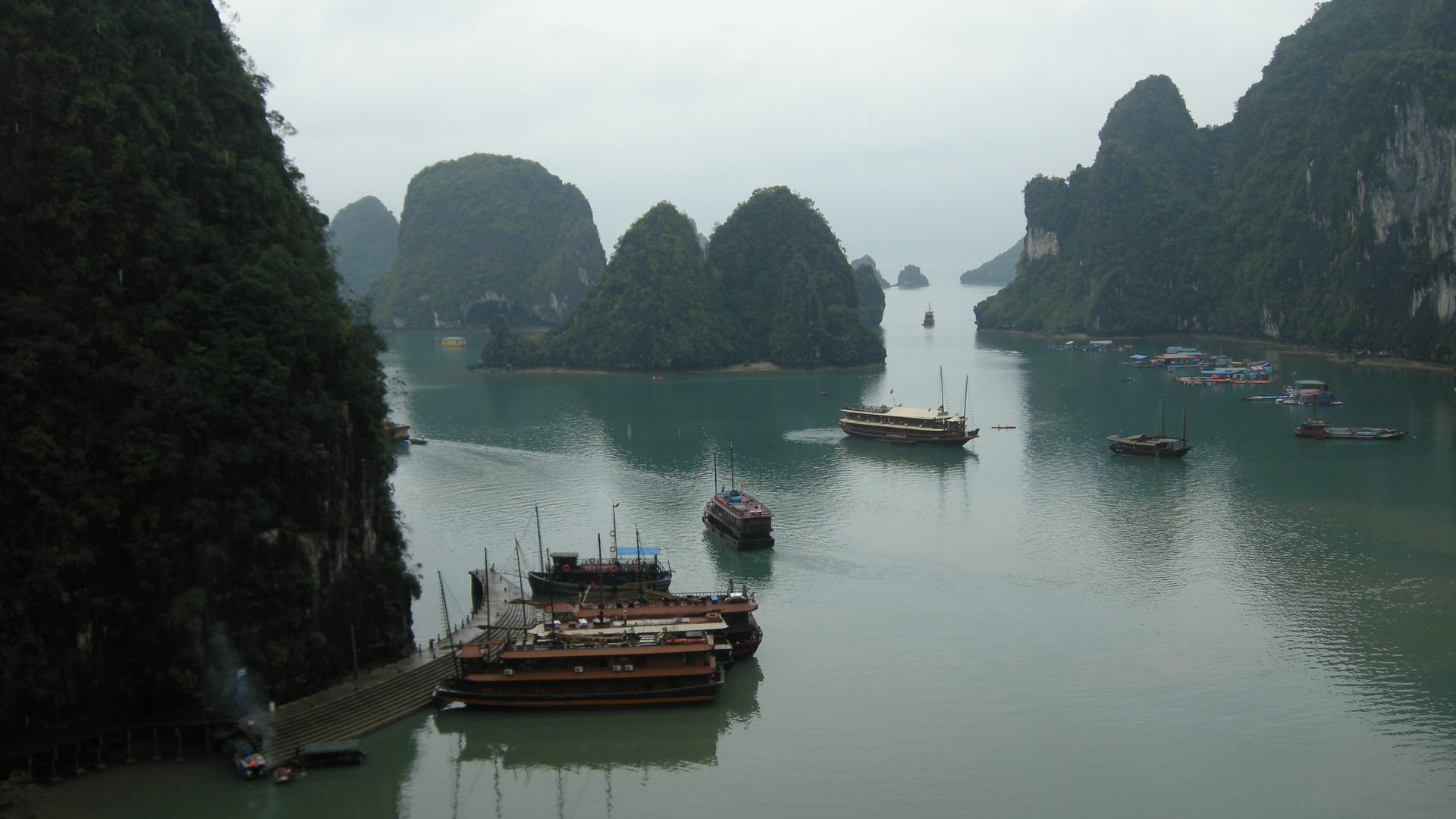
Logistics matter most. Cruising among towering limestone karsts is unforgettable, but your comfort depends heavily on selecting a certified operator with soundproof cabins, transparent harbor fees, and sensible weather policies.
Bay return and Hue transfer
Transfer day. Disembark at midday, travel back to Hanoi, board a flight southward, and settle into Hue without packing extra evening sightseeing into transit hours.
Hue
Use Hue for imperial history, slower food, and context. If heritage is not your priority, convert this into a central buffer night.
Hai Van Pass to Hoi An
Let the transfer be part of the trip if weather and luggage make it pleasant. Otherwise, move simply and save energy for Hoi An.
Hoi An slow day
Dedicate an unhurried full day to Hoi An’s rhythm. Roam yellow merchant alleys early, cycle toward An Bang beach, or enjoy riverside dining without tour group crowds.
Hoi An or Da Nang buffer
Keep the midpoint of your three weeks completely open as an itinerary shock-absorber. Use this margin for laundry, rainy downtime, or a relaxed coastal seafood dinner.
Central extension or recovery
Extend into Phong Nha’s cave systems or remain stationary for beachfront relaxation. Add regional detours only when they genuinely elevate the route.
Fly to Ho Chi Minh City
Keep the first southern day urban and flexible. Late flights and traffic can shrink the useful part of the day.
Ho Chi Minh City
Choose city history, food, markets, architecture, or a guided local lens. Do not treat the city as only a transit stop.
Mekong Delta
Use one southern river day for contrast, food, and slower movement. Do not squeeze it onto departure day.
Ho Chi Minh City reset
Return to the city or keep a recovery day before the trip’s deliberate extension. This is where many itineraries forget to breathe.
Fly to Da Lat or a chosen southern extension
Select the extension only if it gives a new kind of memory: hill climate, coffee, gardens, beach, or cave time.
Extension depth
Keep the extension to one clear chapter. The point is contrast, not collecting another city for its own sake.
Extension slow day
Use the second extension day for slower movement, better meals, and an easier flight or road return later.
Return to Ho Chi Minh City
Come back early enough to protect the final city night. The route earns its premium feel here, not only in the famous stops.
Final Ho Chi Minh City day
Leave this open for a museum, food walk, shopping, or one last guided context experience.
Depart from Ho Chi Minh City
Keep departure day conservative. If the flight is late, use a close city experience rather than a distant excursion.
Transfer pressure map
Handoffs break itineraries. A three-week journey fails most often during long travel handoffs between regions rather than at headline destinations; treat transit days with the operational discipline of a flight dispatcher.
| Route handoff | Why it is fragile | Safer planning move | When to pay for help |
|---|---|---|---|
| Arrival to first full day | Long-haul fatigue, delayed luggage, and unfamiliar streets can make a clever plan feel heavy. | Keep the first paid commitment short, local, and easy to move. | Airport transfer and a central first hotel are usually worth more than an ambitious tour. |
| Hanoi to Ninh Binh to bay | The countryside and cruise logistics often depend on pickup points and road timing. | Confirm whether the cruise can collect from Ninh Binh, Hanoi, or only a fixed point. | Private transfer can make sense when luggage, children, or a narrow cruise check-in window are involved. |
| Bay return to central Vietnam | Cruise disembarkation, highway time, airport buffer, and flight delay risk stack into one day. | Treat this as a transfer day with a simple central arrival. | Use a better cruise/transfer bundle if it reduces uncertainty, not only because it looks premium. |
| Hue to Hoi An | The scenic route can become tiring in poor weather or with too many luggage stops. | Choose a direct transfer when energy matters; make the Hai Van Pass scenic only when conditions suit it. | A private car is useful if you want controlled stops without turning the day into a group-tour timetable. |
| Central Vietnam to Ho Chi Minh City | Domestic flights consume more real time than the flight duration suggests. | Keep the southern arrival day flexible and urban. | Pay for better flight timing before paying for another rushed attraction. |
| Final extension to departure | Mekong, beach, cave, or mountain distance can threaten the most expensive fixed point of the trip. | Sleep near the departure city before the international flight. | Private transfer is justified only if it protects a route you already simplified. |
Four route variants that still fit 21 days
Use these variants when the default route is close but not quite right. The rule is simple: every added specialty needs a removal somewhere else.
| Variant | Who should choose it | Route shape | What it improves | What it gives up |
|---|---|---|---|---|
| Premium slow middle | Couples, honeymooners, older travelers, and anyone spending more for comfort. | Hanoi, Ninh Binh, bay, Hue, Hoi An/Da Nang, Ho Chi Minh City. | Better hotels, fewer weak meals, less luggage friction, and more usable central Vietnam time. | A remote mountain or extra southern detour. |
| Family lower-friction route | Families with children or travelers who need predictable mornings. | Hanoi, bay or Ninh Binh, Da Nang/Hoi An, Ho Chi Minh City, optional Mekong. | Fewer one-night stops, easier pool/beach breaks, and less transfer stacking. | Some heritage depth in Hue or countryside overnight texture. |
| Food and heritage route | Travelers who care more about context, old towns, imperial history, and meals than beaches. | Hanoi, Ninh Binh, bay, Hue, Hoi An, Ho Chi Minh City. | Stronger cultural arc from north to central to south. | Beach-resort time and remote scenery. |
| Landscape-heavy route | Photographers and scenery-first travelers willing to drop the full-country idea. | Hanoi, Ninh Binh, bay, one mountain area, optional central Vietnam. | More mornings in landscapes and fewer big-city compromises. | Ho Chi Minh City, Mekong, and the clean north-central-south story. |
Where the extra week should go
The extra days in a three-week trip should create contrast or resilience. They should not create a second trip hidden inside the first one.
| Extension | Use it when | Remove or reduce | Watch before booking |
|---|---|---|---|
| Mekong Delta | You depart from Ho Chi Minh City and want river, food, and slower southern contrast. | A rushed final central night, not your first Hanoi recovery day. | Drive time, one-day versus overnight value, and flight-day risk. |
| Phong Nha | You want nature and caves and are already traveling through central Vietnam. | Ho Chi Minh City or Mekong if the full-country route becomes too transfer-heavy. | Seasonal cave operations, road time, and whether the detour steals your Hoi An buffer. |
| Northern mountains | Scenery is the core reason for the trip and you are willing to drop the south. | Hue, Hoi An, or Ho Chi Minh City rather than squeezing mountains into the classic route. | Road duration, weather, driver quality, and travel insurance terms for remote travel. |
| Beach rest | You are traveling with family, honeymoon pace, or premium hotels as a major goal. | Extra city nights that do not change the trip’s meaning. | Regional weather, airport access, resort transfer time, and cancellation flexibility. |
| Slower Hoi An and Hue | Food, craft, heritage, biking, and calmer hotels matter more than country coverage. | The final southern add-on. | Central Vietnam rain patterns and whether Da Nang departure flights are practical. |
Where to spend, save, and stay longer
Three weeks gives you enough room to spend deliberately. The premium move is not upgrading everything. It is putting money where the route becomes easier, safer, or more memorable.
| Base or route moment | Spend here when | Save here when | Stay longer when |
|---|---|---|---|
| First Hanoi hotel | You arrive late, have children, or want low-friction food and walking access. | You land early, travel light, and know you only need a clean central base. | Jet lag recovery, food, museums, and old-quarter context matter. |
| Ninh Binh | A rural lodge or better location gives you calmer mornings and less road time. | You are using it as a simple overnight between Hanoi and the bay. | Landscape, cycling, and slower photography are real priorities. |
| Bay cruise | Cabin quality, route, transfer policy, and weather process are clearly better. | The itinerary is already scenic-heavy and the cruise is mainly a one-night highlight. | You want rest and the second night buys a better route, not only more time on board. |
| Hue to Hoi An transfer | You want controlled Hai Van Pass stops, comfort, and luggage flexibility. | Weather is poor or the transfer is only functional. | You want one more central Vietnam morning instead of another destination. |
| Hoi An / Da Nang middle | The hotel location lets you walk, rest, eat well, and avoid unnecessary local transfers. | You will be out most of the day and need only a practical base. | Food, tailoring, countryside, beach-adjacent rest, or family pace matters. |
| Ho Chi Minh City finale | A central hotel reduces traffic friction before food, history, and departure logistics. | The south is only a short city stop and you already spent on the route’s core experiences. | You want a real southern chapter, not just a flight home. |
Season pivots for a three-week route
Weather divides along regional microclimates. Across three full weeks, you will inevitably cross different climate systems; decide in advance which region warrants built-in weather buffers.
| Planning season | Safer route bias | What to protect | What to avoid pretending |
|---|---|---|---|
| January-February | North and central can work well, but pack for cooler northern days and check holiday crowding around Tet. | Arrival recovery, transport buffers, and hotel flexibility around holiday periods. | That every restaurant, transfer, or small operator behaves normally around major holidays. |
| March-April | The classic north-central-south route is often at its easiest for first timers. | Bay cruise quality, central Vietnam pacing, and open-jaw flights. | That good weather means you can remove all transfer margin. |
| May-August | Heat and rain risk make a slower route, better hotels, and beach decisions more important. | Midday rest, air-conditioned transfers, cancellation terms, and family pace. | That a packed city-and-countryside schedule will feel comfortable in hotter weeks. |
| September-November | Be careful with central Vietnam weather exposure; north or south weighting may be wiser depending on exact dates. | Hoi An/Hue flexibility, bay weather policy, and alternate city days. | That central Vietnam beach or heritage days are guaranteed to behave like dry-season brochure images. |
| December | A balanced route can work, but pricing, holiday demand, and regional variation matter more. | Good hotel locations, earlier reservations, and sensible final-night logistics. | That late-December travel is only a weather question. |
Slowdown rules that make three weeks feel premium
Premium itinerary design is usually invisible. It shows up as better sleep, fewer weak meals, calmer hotel changes, and fewer expensive days lost to avoidable logistics.
| Rule | Practical test | Why it matters |
|---|---|---|
| Never stack two fragile transfers back to back | If yesterday had cruise return, road transfer, or a domestic flight, make today slower. | Vietnam routes often fail through accumulated friction, not one dramatic problem. |
| Protect the day after arrival | Do not place your most expensive guide, cruise, or long road transfer on the first full day unless arrival is easy. | Jet lag and delayed luggage can damage the most valuable start of the trip. |
| Use one open-jaw route if possible | Price arrival in Hanoi and departure from Ho Chi Minh City, Da Nang, or the reverse before accepting a round-trip backtrack. | A better flight path can save more trip quality than one cheaper hotel night. |
| One extension means one extension | If you add Mekong, do not also add Phong Nha and northern mountains unless you drop a major region. | The guide’s value is in the editorial cut, not in proving every place is possible. |
| Book weather-sensitive experiences with an escape plan | Know the cancellation or rerouting process before booking a bay cruise, cave day, mountain drive, or beach resort. | Vietnam’s regional weather can change what feels wise even when the itinerary looks good. |
How to adapt the route by traveler type
The same 21 days should not be sold to every traveler. Use these adaptations before choosing hotels, tours, or domestic flights.
| Traveler type | Best adjustment | Upgrade that actually helps | Cut first |
|---|---|---|---|
| First-time couple | Keep the balanced route but protect Hoi An and one better hotel stay. | A stronger cruise cabin, private Hue-Hoi An transfer, or one excellent food/context guide. | A same-day Mekong run if the final days already feel tight. |
| Family with children | Reduce one-night stops and make Da Nang/Hoi An the soft middle of the trip. | Private transfers, family-sized rooms, pool access, and earlier flight times. | Hue or Ninh Binh overnight if hotel changes become the main stress. |
| Solo traveler | Keep city bases strong and use small-group tours only where logistics are annoying alone. | Central hotels, reliable airport transfers, and guided food/context walks. | Private long-distance transfers that do not save meaningful time. |
| Budget traveler | Simplify the route before downgrading every experience. | One better overnight transport choice or one better-located city hotel. | Extra domestic flights, one-night beach detours, and weak paid tours. |
| Luxury or comfort-first traveler | Use the extra days for fewer moves, better guides, and premium downtime. | A better cruise, private car on transfer-heavy days, and hotels that reduce local transport friction. | Any famous stop that creates an early checkout without adding a clear memory. |
Booking sequence for 21 days
Do not book this route from day one forward. Book the constraints first, then let the softer days fit around them.
| Decision | Book earlier | Keep flexible | Why |
|---|---|---|---|
| International flights | Open-jaw arrival/departure if the price is sensible. | Exact domestic route until the weather and route shape are clear. | The international flight path controls whether the itinerary wastes a day backtracking. |
| Bay cruise | A specific cabin or reputable cruise when it anchors the north. | The cheapest-looking option until you understand transfer and weather policy. | Cruise quality and logistics affect the whole northern half of the trip. |
| Central Vietnam hotels | High-demand Hoi An or Hue stays in good locations. | One soft buffer night if traveling in a rain-sensitive window. | A good central base can replace several small upgrades elsewhere. |
| Mekong / final extension | Only if it is a real priority and not on departure day. | Final city time, food walks, and short local experiences. | The last two days should protect the international departure, not gamble with distance. |
- Start with the Vietnam E-Visa guide and passport/entry checks before any non-refundable booking.
- Use the Best Time guide to decide whether the route should lean north, central, south, or beach-light.
- Choose the route shape, then compare it with the North vs Central vs South Vietnam guide.
- Price the itinerary against the Vietnam Travel Cost guide before upgrading hotels, cruises, or guided days.
- Check whether the Best Places to Visit in Vietnam guide supports your shortlist or reveals a place you should skip.
- Book international flights and first/final nights before domestic transfers.
- Book the bay cruise, any cave or mountain logistics, and high-demand central Vietnam hotels only after weather and transfer timing make sense.
- Leave one half-day unscheduled in the middle third of the trip and one flexible evening before departure.
Final planning audit before you book
Use this audit when your spreadsheet looks finished. A route can be technically possible and still be a poor three-week trip if it hides too many weak mornings, late transfers, and fragile assumptions.
| Audit question | Green light | Revise the route if… | Editorial fix |
|---|---|---|---|
| Do you have more than four hotel changes? | Each change clearly improves the route. | You are repacking almost every morning after day three. | Combine central Vietnam nights or make Ninh Binh a day trip. |
| Is one day carrying too much logistics? | Only one major transfer happens that day. | A cruise return, road transfer, airport, flight, and city arrival all sit together. | Remove the evening plan and treat the day as recovery. |
| Is the extension earning its place? | It adds a new kind of memory: river, cave, beach, mountain, or slower central life. | It exists only because another itinerary included it. | Drop the extension and spend the night where you already care. |
| Have you checked weather by region? | The route has a pivot if central rain, northern chill, heat, or holiday crowding matters. | You chose a national “best month” without checking each route zone. | Use the Best Time guide before final hotel and cruise payment. |
| Can the final 36 hours absorb delay? | You are near the departure city with flexible activities. | A remote tour or road transfer must go perfectly before an international flight. | Move the extension earlier or replace it with a city-based final day. |
| Does the budget match the route shape? | Transport, cruise, guide, and hotel upgrades are priced as named decisions. | The daily average hides a premium cruise, domestic flights, or private transfers. | Use the Travel Cost guide to separate route cost from comfort upgrades. |
Short answers for common three-week mistakes
These are the questions that usually reveal whether a 21-day plan is designed for the traveler or copied from a search result.
Should 21 days include Sapa or Ha Giang?
Only if northern landscapes are the point of the trip. Do not add Sapa or Ha Giang to the balanced north-central-south route unless you remove the south, reduce central Vietnam, or accept a much faster trip.
Is one night in the Mekong Delta worth it?
It can be, especially with a Ho Chi Minh City departure, but it should not sit on the final flight day. If the Mekong is only a box to tick, use the time for a stronger city day or slower Hoi An/Hue middle.
Should I fly or take the train between regions?
Use the train when the timing, comfort, and route experience genuinely help. Use flights when they protect the itinerary. Compare real station/airport transfer time, baggage, delay risk, and hotel check-in time rather than only the headline journey duration.
Can I add Phu Quoc or Con Dao?
Yes, but only by treating the island as the extension and removing another add-on. A two-night island stay after a full north-central-south route often spends too much time entering and exiting the beach experience.
What is the most premium version of this itinerary?
The most premium version is usually slower: better central hotels, a stronger bay cruise, private transfer on complex days, one excellent guide, and fewer forced one-night stops. It is not more destinations.
When 14 days is actually better
More days do not automatically make the trip better. If the extra week forces awkward flights, poor weather, a remote detour you do not truly want, or a higher budget that does not buy comfort, use the 14 Days in Vietnam guide and keep the route sharper.
A strong 14-day trip plus a future return can be wiser than a 21-day trip that spends its advantage on movement. This is especially true for families, older travelers, honeymooners, and anyone visiting in a season where one region clearly has better conditions than the others.
Connected Destinations along the Classic Vietnam Grand Route
Continue your Vietnam route seamlessly with verified transit times and natural regional connections.
Hanoi & Northern Karsts
Begin in Hanoi with Old Quarter food alleys before cruising Ha Long Bay and cycling Ninh Binh.
Central Heritage Corridor
Immerse in lantern-lit Hoi An, imperial palaces in Hue, and sandy beaches in Da Nang.
Southern Riverine Route
Experience Saigon's energy, historic Cu Chi tunnels, and sampan waterways in the Mekong Delta.