
Reviewed transport planning guide – Updated September 15, 2026
Hanoi to Ha Giang Transport: Bus, Private Car or Staged Route?
The Hanoi to Ha Giang transfer is not just a way to reach the mountains. It decides whether the traveler starts the loop rested, insured, weather-aware, and protected from a fragile return to Hanoi.
Concierge verdict: choose a sleeper or cabin bus only when arrival fatigue is acceptable, choose a day transfer when sleep matters more than saving a hotel night, choose a private car when control is worth the spend, and stage the route when the loop should not begin from a tired overnight arrival.
Concierge verdict
Do not judge this route by fare or departure time alone. The better question is whether the transfer leaves the traveler able to make good safety decisions on mountain roads the next day.
Choose overnight bus or cabin bus when directness matters and the first loop day is protected. It can be efficient, but it is weak when a traveler arrives tired and immediately starts a long riding day.
Choose day bus, limousine-style transfer, or private car when sleep and timing matter more than saving a night. These options can feel less efficient on paper and better in real route quality.
Choose a staged route when Ha Giang is important enough to slow down. A protected Ha Giang city night before the loop, a Hanoi buffer after return, or a gentler northern sequence can be the difference between a memorable mountain chapter and a route that feels reckless.
Why this route needs its own transport guide
Many Hanoi to Ha Giang articles behave like transport listings. They compare bus names, prices, and sample schedules. That is useful only after the safer planning question has been answered. Ha Giang is usually not the final destination in the traveler’s mind; it is the start of a road-led mountain route. Arriving there tired, confused about luggage, uncertain about pickup, or without a return buffer can weaken the whole loop.
This guide is written for the decision before booking. It does not freeze operator timetables or promote one company. It explains how to choose a transfer mode by sleep, arrival hour, loop-start timing, motion comfort, luggage, private-car control, staged routing, weather, insurance, and return-to-Hanoi risk.
Photo proof: transport is part of the road decision
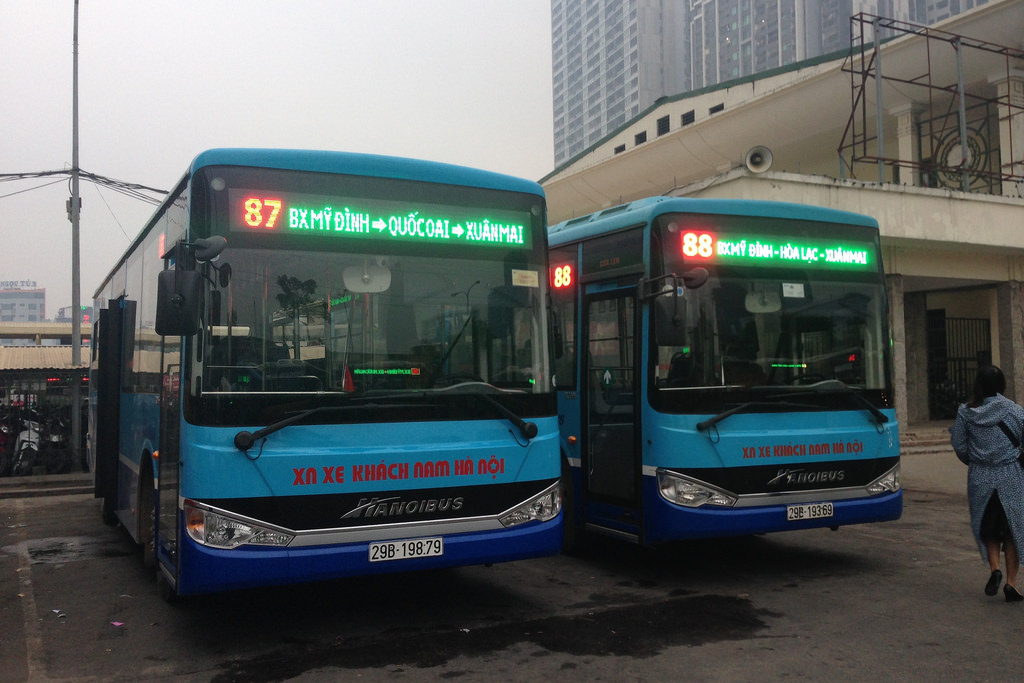


How the source trail is used
🏔️ 2026 Hanoi to Ha Giang Route Logistics & Bus Fares:
- Distance & Duration: 300 km north via Noi Bai–Lao Cai Expressway and National Route 2; takes 6.0–6.5 hours by road.
- VIP Cabin Sleeper Bus: 350,000–450,000 VND one-way ($14–$18 USD); private enclosed berths with USB charging, curtains, and air-conditioning (departs My Dinh or Old Quarter 21:00, arrives Ha Giang 03:30).
- Daytime Limousine Van: 300,000–350,000 VND; 9-passenger reclining seats; departs 06:30 and 07:00 from Hanoi Old Quarter.
- Ha Giang City Drop-off Points: Most buses terminate at Ha Giang Bus Station (Ben Xe Ha Giang) or provide free transfer to motorcycle rental hostels on Nguyen Trai street.
| Source type | What it can prove | How this guide uses it |
|---|---|---|
| National tourism sources | Ha Giang’s destination role, loop context, transport modes, and weather patterns. | To anchor the route without rewriting destination marketing. |
| Weather sources | Rain, fog, storms, cold, heat, and visibility risks that affect road movement. | To make live weather checks part of transfer and loop-start timing. |
| Government travel advice | Road-safety, motorcycle, insurance, and medical fallback cautions. | To connect the transfer with safe loop planning instead of treating safety as a disclaimer. |
| Internal route pages | How Ha Giang competes with Hanoi, Ninh Binh, Ha Long Bay, trip length, cost, and region choice. | To decide whether the Ha Giang transfer improves the full Vietnam route. |
| Image-license records | Real station, bus, road, karst, canyon, and village visuals with recorded credits. | To keep the visual layer evidence-led rather than decorative. |
Quick mode chooser
| Mode | Choose it when | Be careful when |
|---|---|---|
| Overnight sleeper or cabin bus | Budget and direct arrival matter, the traveler can sleep in a road vehicle, and the first loop day is not overloaded. | The plan begins riding immediately after arrival or the traveler is motion-sensitive, anxious, tall, or traveling with children. |
| Day bus or limousine-style transfer | Sleep quality matters and the route can afford a daylight transfer to Ha Giang city. | Late arrival, shared pickups, luggage space, or a remote hotel creates another transfer problem. |
| Private car | Family comfort, premium pacing, motion breaks, luggage, photography stops, or return control is worth paying for. | A busy itinerary uses private transfer as a way to force too much road travel. |
| Staged route | The loop is important enough to protect with a Ha Giang city night, slower north routing, or a Hanoi return buffer. | The staged night is added without removing another weak itinerary chapter. |
| Modify or skip Ha Giang | The transfer plus loop would overload the traveler, weather window, insurance reality, or flight timing. | The decision is being driven by fear of missing out instead of a clear road-scenery priority. |
The arrival and loop-start test
The strongest Hanoi to Ha Giang plan protects the first loop day. A traveler who arrives at dawn after poor sleep may still be technically on schedule, but the route can already be weaker. Mountain-road decisions need patience: checking weather, meeting the driver or guide, choosing helmets, storing luggage, carrying medicine, understanding the day’s route, and saying no if conditions are wrong.
| Arrival setup | Main risk | Better move |
|---|---|---|
| Overnight arrival then immediate loop | Fatigue weakens road judgment before the hardest part of the trip begins. | Start later, shorten the first section, or sleep in Ha Giang city first. |
| Day arrival in Ha Giang city | Late arrival can compress guide briefing, luggage storage, and dinner. | Treat the arrival day as setup, not as a hidden loop day. |
| Private transfer before loop | Comfort can hide the fact that road hours still consume energy. | Use the car to control stops and timing, then protect the first riding day. |
| Return transfer after loop | The final day becomes a race against fatigue, traffic, weather, and onward travel. | Return to Hanoi with a protected night before important flights or tours. |
Overnight sleeper bus or cabin bus
The overnight bus is popular because it is direct and can save a hotel night. That saving is real only when the traveler sleeps reasonably well and the next day is designed with mercy. If the plan moves from bus arrival straight into a long mountain-road day, the bus has moved fatigue from the budget column into the safety column.
For editors, the evergreen rule is to avoid freezing exact bus schedules. Services, pickup points, vehicle types, and arrival times change. The useful content is the checklist that tells a traveler what to verify before paying.
| Bus factor | Good sign | Warning sign |
|---|---|---|
| Pickup clarity | Exact pickup address, time window, contact method, luggage rule, and backup point are confirmed. | The booking promises vague hotel pickup and changes details close to departure. |
| Sleep fit | The traveler understands cabin size, road motion, lights, noise, and shared-space limits. | The traveler expects hotel-level rest or has anxiety around night roads. |
| Arrival handoff | Hotel, operator, luggage storage, breakfast, guide meeting, and loop start are sequenced clearly. | The loop begins because the booking says it can, not because the traveler is ready. |
| Return plan | The return to Hanoi has a buffer before flights, cruises, or long onward movement. | The route relies on a same-day connection after mountain roads. |
Day transfer, private car or staged route
A day transfer can look inefficient because it consumes daylight. In reality, it may protect the part of the trip that matters: sleeping in a bed, arriving oriented, meeting the operator calmly, checking the weather, and starting the loop with a clearer head. A shared day bus or limousine-style transfer can work when pickup and luggage details are solid.
A private car buys more than comfort. It buys stop control, motion-sickness breaks, luggage access, communication, pacing, and the ability to protect a family or premium route from the stress of shared transfer uncertainty. It does not make an overloaded itinerary wise; it simply gives the route more control.
A staged route is the most underused option. It may mean sleeping in Ha Giang city before the loop, returning to Hanoi one night before a flight, or reshaping the north so Ha Giang replaces a weaker stop instead of being added on top of everything else. Staging is not wasted time when it removes the riskiest compression from the plan.
| Option | Best use | Weak use |
|---|---|---|
| Day bus or limousine-style transfer | A normal sleep schedule and clear evening arrival matter. | The arrival still has no hotel, food, luggage, or loop-start plan. |
| Private car | Family, premium comfort, motion stops, luggage, photography, or protected timing matters. | It is used to squeeze Ha Giang into a route that should skip it. |
| Ha Giang city setup night | The traveler wants the loop to start rested and properly briefed. | The extra night is added without reducing later route pressure. |
| Protected Hanoi return night | Flights, cruises, tours, or long onward transfers follow the loop. | The route still treats the final loop day as a race. |
Luggage, motion sickness and family fit
Small practical details decide whether the transfer supports the loop or sabotages it. Ha Giang travelers often need to separate main luggage from loop luggage, keep medicine accessible, manage cool or wet weather, charge phones, coordinate with a guide or driver, and arrive with enough calm to make safety choices.
- Luggage: store main bags securely and carry only the loop kit when possible; keep passport, medicine, warm layer, rain layer, charger, and cash accessible.
- Motion sickness: road curves matter before and during Ha Giang; choose a mode with breaks if the traveler is sensitive.
- Children: private car or a modified route is often stronger than a night bus plus road-heavy loop.
- Older travelers: check vehicle access, hotel stairs, bathroom breaks, and whether the route has a graceful exit.
- Solo travelers: confirm pickup, arrival, operator contact, luggage storage, and what happens if the bus arrives late.
- Couples and groups: make sure everyone shares the same tolerance for night roads, shared cabins, easy-rider exposure, and recovery time.
- Photographers: keep gear dry and accessible, but do not design the transfer around unsafe roadside stops.
Safety and insurance start before the loop
The Hanoi to Ha Giang transfer is part of the same risk plan as the loop. It affects sleep, judgment, luggage, weather checks, and whether the traveler has time to understand motorcycle, easy-rider, private-car, helmet, medical, and insurance realities. A rushed transfer can make every later safety decision harder.
| Risk item | What to check | Better action |
|---|---|---|
| Road weather | Rain, fog, storms, cold, heat, and visibility before both transfer and loop. | Adjust route length or delay the start when conditions reduce safety. |
| Insurance wording | Road transfer, medical, evacuation, motorcycle passenger, self-drive, activity, and cancellation cover. | Do not assume a tour or operator promise replaces policy wording. |
| Operator handoff | Who meets the traveler, where luggage goes, helmet quality, route briefing, and emergency contact. | Treat unclear answers as a planning signal, not a minor inconvenience. |
| Return to Hanoi | Weather, road delays, fatigue, bus reliability, and flight/tour timing. | Keep a protected Hanoi night before important departures. |
Route pressure: when Ha Giang is too much
Ha Giang is at its best when the road journey is a deliberate reason for shaping the northern route. It is weaker when it is squeezed into a checklist route that already includes Hanoi, Ninh Binh, Ha Long Bay, Central Vietnam, southern Vietnam, and beaches. The transfer itself is the warning sign: if the only way to make Ha Giang fit is to remove sleep and buffers, the route is probably asking too much.
| Trip shape | Transfer pressure | Cleaner decision |
|---|---|---|
| 10 days in Vietnam | High unless Ha Giang replaces another major chapter. | Choose Ha Giang only when northern road scenery is the main purpose. |
| 14 days in Vietnam | Possible, but the route should choose one mountain chapter carefully. | Protect a Ha Giang city setup night or a Hanoi return buffer. |
| 21 days in Vietnam | More manageable, but fatigue still accumulates. | Use slower transfers, better lodging, and weather-flexible pacing. |
| North-focused route | Strongest fit when Ha Giang is not competing with too many regions. | Build the north around weather windows and road recovery. |
| Flight after loop | Risky if return timing depends on perfect roads and no delay. | Return to Hanoi one protected night before important flights. |
Budget should buy control where risk is highest
The cheapest transfer may still be right for a rested, flexible traveler with a light route. But budget should follow the part of the plan most likely to fail: sleep, pickup clarity, luggage, weather flexibility, private stops, guide handoff, return to Hanoi, and the cost of missing a flight or losing a loop day.
| Spend more on | When it is worth it | When to save |
|---|---|---|
| Better bus or cabin | The traveler can sleep on roads but needs clearer comfort and pickup details. | The first Ha Giang day is light and budget is the main constraint. |
| Day transfer | A normal sleep schedule improves loop safety and enjoyment. | The traveler sleeps well on buses and has a recovery plan. |
| Private car | Family, premium pacing, motion stops, luggage, and return control matter. | Private speed would only hide an overpacked route. |
| Extra night | The route needs a Ha Giang setup night or Hanoi return buffer. | The trip already has multiple flexible northern nights. |
| Insurance clarity | Motorcycle, easy-rider, self-drive, private-car, or activity-heavy plans create real exposure. | Do not save by ignoring policy wording; change the route instead. |
Live checks before booking or publishing
- Check current bus, cabin bus, day transfer, limousine-style transfer, private-car, pickup, drop-off, luggage, and cancellation details before publishing any service claim.
- Check whether arrival in Ha Giang city gives enough time for hotel access, luggage storage, operator briefing, meals, helmet checks, and loop-start decisions.
- Check Ha Giang weather, road condition, rain, fog, storm risk, cold, heat, and visibility close to travel.
- Check insurance wording for road transfer, motorcycle passenger, self-drive, activity, medical, evacuation, cancellation, and liability exposure.
- Check whether the traveler needs medicine, warm layers, rain gear, offline maps, SIM/eSIM data, backup power, cash, and saved hotel/operator contacts.
- Check return timing to Hanoi before flights, cruises, tours, trains, or long onward movement.
- Check whether Ha Giang is replacing a weaker route chapter rather than being added from fear of missing out.
- Check that the body still has no visible external source anchors after WordPress Admin edits; source URLs belong in metadata/source trail.
Hanoi to Ha Giang transport FAQ
What is the best way to get from Hanoi to Ha Giang?
The best option depends on the route. Overnight sleeper or cabin bus can work for budget/directness when the first loop day is protected. Day transfer is better when sleep matters. Private car is strongest for control, families, luggage, motion breaks, and premium pacing. Staging is best when Ha Giang is important enough to avoid a tired loop start.
Should I start the Ha Giang Loop right after an overnight bus?
Only if the traveler slept well, the first day is light, weather is acceptable, and the operator handoff is clear. Many travelers should sleep in Ha Giang city first or start with a shorter first section.
Is a private car worth it from Hanoi to Ha Giang?
It can be worth it when control matters: family pacing, comfort stops, luggage, motion sickness, late changes, photography, and a calmer arrival. It is less convincing when the route is already too crowded and needs fewer stops rather than a more expensive transfer.
Can I do Ha Giang on a 10-day Vietnam trip?
Yes, but only when northern road scenery is a top priority and another major region is reduced. If Ha Giang is added on top of a balanced first-trip route, the transfer and loop can make the whole itinerary too rushed.
Do I need a Hanoi buffer after Ha Giang?
Use a protected Hanoi night before important flights, cruises, tours, or long onward travel. Mountain roads, weather, fatigue, and transfer delays should not be allowed to threaten a major departure.
Should I book exact bus times far ahead?
Book only after checking current pickup, drop-off, vehicle, cancellation, and arrival details. Editors should avoid publishing fragile timetables as evergreen facts.
Where to go next
Use these related guides to decide whether the Ha Giang transfer belongs in the whole route.
Update log
Expanded the native WordPress Batch 3 brief into a complete Hanoi to Ha Giang Transport draft with photo-led hero, proof panel, concierge verdict, internal demand note, source-diversity table, photo proof, sleeper/cabin bus versus day bus versus private car versus staged-route chooser, arrival-fatigue filter, loop-start handoff, luggage and motion-sickness checks, return-to-Hanoi buffers, road/weather/safety guardrails, cost-control logic, live checks, FAQ, related routes, source trail, and update log. The post remains draft for WordPress Admin review.
Reviewed by VietnamGuide editorial review
Connected Destinations along the Northern Golden Triangle
Continue your Vietnam route seamlessly with verified transit times and natural regional connections.
Ha Long Bay & Lan Ha Bay
Overnight luxury cruising, sea kayaking among karst towers, and emerald waters.
Ninh Binh (Trang An & Tam Coc)
Paddleboat river grottoes, Bich Dong pagoda, and cycling through tranquil rice paddies.
Sa Pa & Tonkinese Alps
Spectacular Fansipan peaks, ethnic hill-tribe villages, and high-altitude trekking.